The verified like-for-like electric-range comparison favours the 2027 China AION i60 range extender: 350 km CLTC against the selected BYD Song Pro DM-i Feichi offering’s 301 km CLTC, a 49 km or approximately 16.3% lead. The i60’s 45.37 kWh battery is confirmed by AION’s configuration data. A corresponding Song Pro battery-capacity figure was not established in the primary product record used here, so the article explains the i60’s large-battery value without inventing a measured capacity advantage over BYD.
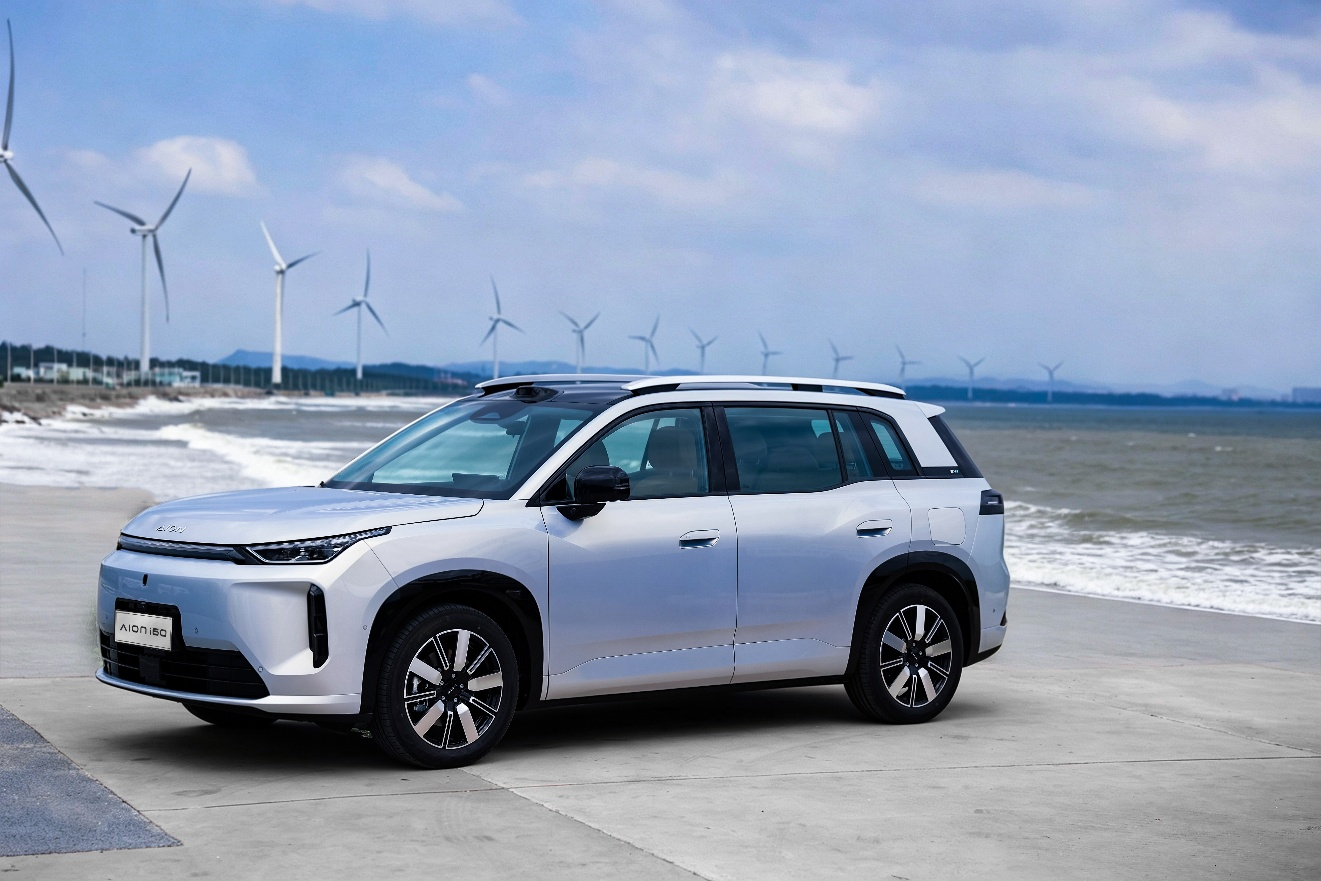
The comparison names the two China plug-in offerings
AION i60 and BYD Song Pro are model families rather than single immutable specifications. The official 2027 i60 table lists two range-extender grades under the 1738 name, separate from four battery-electric grades. Both range-extender columns have the same 350 km CLTC electric rating and 45.37 kWh battery. The 520 and 700 i60 BEV figures do not belong in a comparison intended to examine fuel-backed plug-in family SUVs. [S1]
BYD's Song Pro DM-i Feichi product page is supported by official live model data that identifies 301 km as its CLTC electric-range headline. That is the BYD offering compared here. The evidence used does not provide a complete verified grade-by-grade equipment matrix, so the article does not attach unverified trim hardware or battery capacity to that number. Older Song Pro versions and other BYD Song models are outside this specific comparison. [S2]
| Comparison item | 2027 i60 range extender | Song Pro DM-i Feichi offering |
|---|---|---|
| Market | China | China |
| Electric-range procedure | CLTC | CLTC |
| Published electric range | 350 km | 301 km |
| Verified battery capacity used here | 45.37 kWh | Not established by the cited model data |
| Scope | 1738 Super Range Extender and 1738 Lidar | Advertised 301 km Feichi offering |
The matched-cycle i60 and Song Pro guide explains why this identification step matters. A precise comparison can support a meaningful GAC advantage without borrowing the largest number from each manufacturer's entire catalogue.
[S1]What the 49 km lead can change in a real ownership decision
The i60’s larger declared electric envelope is most useful when it changes which parts of a household’s travel can be supplied from external charging before fuel support becomes more important. The arithmetic is straightforward: 350 minus 301 is 49 km, and 49 divided by 301 is about 16.3%. The denominator matters because the statement describes the i60’s increase relative to the chosen BYD figure, not the reverse percentage.
A driver who charges every night and covers a short, predictable distance may use that difference mainly as additional reserve. A driver whose next convenient charge is several days away may value the same reserve more strongly. Neither example changes the published rating comparison. What changes is whether the extra envelope solves a recurring problem. This is a more useful explanation than claiming that every owner receives an identical extra day of electric driving.
The AION configuration and BYD Feichi product page define the relevant cars. Our 350 km versus 301 km range analysis gives the narrower arithmetic background. Here the lead is considered alongside battery evidence, replenishment, fuel backup and the owner’s routine, so the positive conclusion stays connected to a complete vehicle rather than a detached distance figure.
[S2]Electric, combined, CLTC and WLTC labels must stay separate
The i60 table contains several legitimate distance figures. Its range-extender columns list 350 km CLTC electric range, 280 km WLTC electric range and 1,738 km CLTC combined range. These labels answer different questions. The 280 and 350 figures do not describe two batteries; they describe the same listed offering under different procedures. The 1,738 figure includes the broader fuel-supported operating proposition and cannot replace the electric number in this comparison.
BYD's selected 301 km figure is explicitly CLTC electric range. Comparing it with the i60's 280 km WLTC figure would reverse the apparent ordering by changing the procedure on one side. Comparing it with 1,738 km would mix electric and combined distance. Neither would answer the user's question fairly. The correct direct comparison is 350 versus 301, with the other i60 values retained as useful context for a different purpose.
The EPA explanation of laboratory range testing shows why a rating belongs to a defined testing process. It is not a source for a CLTC-to-WLTC conversion, and this article does not use EPA adjustment factors to transform either Chinese rating. The lesson is methodological: standardised results can compare defined specifications, while actual journey planning needs conditions and an operating margin. The i60 powertrain and range guide develops the distinction between electric-only travel and fuel-supported flexibility. [S3]
[S3]A larger electrical store has value beyond a single headline distance
The i60’s 45.37 kWh battery gives its range-extender configuration a substantial electrical component. Stored energy can support ordinary propulsion and the auxiliary demands of a trip, subject to the vehicle’s usable-energy limits and control strategy. That makes the battery relevant to the everyday reason for choosing the car: supplying a meaningful part of family travel from charging while retaining fuel flexibility for journeys that extend beyond it.
AION also lists battery thermal-management functions in the configuration, including liquid cooling and low-temperature heating. These identify mechanisms used to manage the battery’s operating environment. They do not prove a constant range in all weather or guarantee that every charging stop reaches the same power. The sensible benefit is that the battery is part of a managed system whose behaviour depends on conditions, rather than a passive number that can be converted directly into a distance promise.
The desired comparison with BYD’s battery size remains narrower than some circulating summaries suggest. A range result alone cannot reveal battery capacity, because vehicle efficiency and usable energy also affect distance. An unverified capacity from a secondary listing should not be promoted to a confirmed manufacturer fact. The BYD official product record supports the 301 km electric headline used here. A complete capacity comparison requires an equally clear primary specification for that exact version. Until then, the documented i60 battery and matched-cycle range lead are the supported conclusions.
[S1]The advertised charging interval is a defined part of replenishment
AION lists 15 minutes for a 30–80% rapid-charge interval on the i60 range-extender grades. This describes a partial battery window under the manufacturer’s conditions. It is not a promise that an empty vehicle becomes full in fifteen minutes, nor does it establish the time spent finding a charger, connecting, paying or waiting for access. Those distinctions matter to an owner evaluating how quickly useful electric travel can be restored.
The nominal half-battery fraction is approximately 22.69 kWh, based on the listed 45.37 kWh capacity. That arithmetic helps explain the scale of the stated window but is not the energy measured at the wall during a charging test. Usable capacity, losses and battery control affect the actual quantities. Similarly, calculating an average power from nominal energy would not replace a measured charging curve.
No direct charging-time win over Song Pro is asserted because an equivalent BYD window and conditions were not established in the cited evidence. This does not mean the competing model lacks rapid charging. It means a fair comparison must ask both vehicles to perform the same task. For a household charging overnight, total reserve may matter more than the rapid-charge window; for frequent longer travel, replenishment becomes more prominent. The GS7 charging and touring review develops the same distinction between available energy and the time or effort needed to restore it.
[S1]Fuel continuity gives the electric-range lead a particular meaning
The two cars in this comparison are fuel-backed plug-in offerings. They are not battery-electric vehicles whose entire travel capability is represented by the selected electric rating. The i60 table lists a 50-litre fuel tank and a 1,738 km CLTC combined claim alongside its 350 km CLTC electric figure. Reaching the end of an electrical portion therefore changes the operating energy balance rather than defining the full vehicle’s maximum journey.
The DOE explanation of plug-in hybrid operation provides the general context for externally charged energy and combustion support. The precise mechanical and control arrangements differ by vehicle, so the model names alone do not justify claiming identical behaviour. The useful shared question is how much routine travel can be supplied electrically before fuel use becomes more important.
The i60’s larger declared electric envelope is advantageous when it keeps a recurring journey within that portion of use or adds reserve before a convenient charge. On a much longer holiday, the complete fuel-supported systems must be assessed as well. Fuel consumption in the relevant battery state, actual replenishment access and operating conditions then matter alongside electric distance. The matched 350-versus-301 comparison remains valid, but it cannot alone establish lower holiday fuel expenditure or greater combined range. Those are additional questions requiring matched data, not automatic consequences of the electric-rating lead.
[S5]Choose a charging routine before treating range as a weekly timetable
A range comparison can help a household plan, but it cannot by itself determine the day on which charging will be necessary. The same weekly distance can be arranged as several short journeys or one long return trip. The first arrangement may create many overnight replenishment opportunities; the second may require energy away from home. The i60’s additional rated reserve is relevant in both cases, but its value appears in different parts of the schedule.
For a buyer with a dependable home charger, the question is whether normal travel can be replenished during the parking periods already available. For a buyer using shared or public charging, the question includes availability, access time and the inconvenience of an extra stop. A bigger electrical envelope can reduce pressure to charge at an awkward moment, but it does not make an unavailable connector usable. The DOE and EPA explanation of hot-weather demand also shows why cooling requirements belong inside energy planning rather than being ignored.
The i60 price and equipment guide connects these routines with the actual grade choice. Both 1738 i60 grades share the verified battery and range, so the range benefit does not require the more expensive lidar version. The GS7 long-journey review illustrates a related plug-in use case. These comparisons are most useful when the owner can identify the inconvenience that additional electric reserve is expected to remove.
[S5]A fair price comparison must identify the actual 301 km BYD grade
AION’s two 1738 range-extender grades are listed at RMB 132,800 and RMB 142,800. Their verified 350 km CLTC electric rating and 45.37 kWh battery are identical. The higher price therefore does not buy additional electric range. It accompanies differences in assistance and associated equipment. A buyer seeking the supported range advantage can consider the lower-priced i60 range extender without assuming that the lidar grade is necessary.
BYD’s official Feichi record gives a series-level range of RMB 102,900–132,900. The retrieved record does not map every price to a fully checked trim-and-battery matrix. Attaching the 301 km headline automatically to the lowest series price would therefore create a comparison that the evidence has not established. The price of the actual selected 301 km vehicle must be confirmed before calculating a like-for-like value winner.
This is also why dividing range by an entry price can mislead. It may combine the most favourable distance from one grade with the lowest cost from another, producing a neat ratio that no buyer can purchase. The 2027 i60 price and equipment breakdown demonstrates the correct approach on AION’s side: pair each payment with its actual capability. A completed cross-brand price comparison should do the same for BYD, retaining the equipment and terms of both quotations. The range lead is already supported; a broader value lead requires that additional matching work.
A family comparison should also separate the passenger journey from the refuelling decision. A longer electric reserve can allow heating, cooling and an unplanned detour to be included before the owner chooses to replenish energy. The amount of reserve actually available varies with the route and conditions, so it is useful to compare the same starting charge and the same destination. This makes the i60’s battery proposition concrete without inventing an efficiency advantage over a Song Pro version whose matching primary data has not been established.
[S2]Family equipment strengthens the i60 case without inventing BYD omissions
The two 1738 i60 grades list five seats, a 2,775 mm wheelbase, a 15.6-inch central display and a powered tailgate. Heated, ventilated and massaging front seats with memory are included in their table columns. This is a concrete family package around the battery and range proposition. A buyer who values the electrical reserve is also receiving equipment used while boarding, sitting, carrying belongings and sharing the vehicle.
Those i60 features should be evaluated as positive evidence about the AION, not as automatic proof that Song Pro lacks comparable equipment. The BYD source used for the verified range headline does not supply a complete matched equipment matrix in this analysis. Silence in one source is not the same as absence on a vehicle. A fair comparison can recommend the documented i60 combination while reserving a broader cabin winner until both actual grades are checked.
The AION Y family-cabin analysis shows why rear-seat position, comfort and everyday luggage matter alongside powertrain figures. For the i60, the benefit is a coherent package: substantial electric travel, fuel continuity and named family equipment at the published China guide price. The buyer should still sit in the intended version and check the supplied features. Range becomes more valuable when it carries the right people comfortably, but it does not replace the need to establish that fit.
[S1]The supported advantage and the remaining comparison boundary
There is a clear, positive conclusion available without stretching the evidence. The selected i60 range extender has a 49 km higher CLTC electric rating than the selected Song Pro DM-i Feichi offering. The i60’s 45.37 kWh battery, partial-charge specification and family equipment make that range part of an identifiable product package. Those facts support considering it for households that value a longer interval of externally supplied electric travel.
The remaining boundary concerns claims that require information not established by the cited primary records. This article does not assert a numerical battery-capacity advantage over BYD, a universal real-world range gap, lower lifetime cost or faster charging under unmatched windows. Those would be separate findings, each needing its own evidence. Retaining that boundary makes the verified range lead more credible because readers can see exactly which comparison has been completed.
Choose using the actual 2027 China i60 range-extender grade and the actual 301 km Feichi offering, with the CLTC electric label visible on both sides. Then compare the charging routine, cabin requirements and quotation relevant to the household. The result is a strong but specific GAC case: more declared electric reserve, supported by a confirmed substantial battery and practical equipment, while fuel backup serves journeys beyond the electric portion.
[S1]Sources & references
- [S1] 2027 AION i60 official configurationGAC AION · China 1738 EREV grades; live API confirms350kmCLTC,280kmWLTC,45.37kWh and1738kmCLTC combined.
- [S2] Song Pro DM-i Feichi official product dataBYD China · Live model API goodsId154 checked6November2026;301kmCLTC and series price range verified. No competitor battery capacity inferred.
- [S3] Fuel Economy and EV Range TestingU.S. EPA · Testing-method context only; no EPA conversion applied to CLTC or WLTC.
- [S4] Fuel Economy in Hot WeatherU.S. DOE / EPA · General energy-demand mechanism; hypothetical sensitivity factors are not measured model results.
- [S5] How Do Plug-In Hybrid Electric Cars Work?U.S. Department of Energy · General battery/fuel operating context; does not establish exact model control strategy.
- [S6] Song Pro DM-i Feichi live model APIBYD China · Official goodsId154 product record read 6 November 2026; 301 km CLTC electric headline and series-level price range.
This is a source-based editorial guide, not a first-hand road test. Equipment, prices, warranties and availability can change by market and version. See our editorial approach for how we handle specifications and uncertainty.