The Mexico-market GAC GS7 PHEV has a useful electric range for a family that can charge regularly. GAC Mexico lists 103 km of electric driving on the NEDC cycle for the 2027 GS7 PHEV 2WD with a 21.3 kWh battery, and 150 km NEDC for the 4WD with a 36.3 kWh battery. The 2WD makes the strongest case for a predictable urban routine and a lower starting price. The 4WD adds a 47 km margin in the same published range cycle, all-wheel drive, and extra cabin and parking equipment. Use the grade-specific figures when judging your week. GAC Mexico also displays a general range headline higher on the page, while its two trim cards and September 2026 specification give the figures tied to each version. GAC Mexico model and trim information · GAC Mexico MY2027 specification
This is an assessment of the two plug-in hybrid grades in the current Mexican range, based on published technical information. In practical use their charge can cover shorter trips, then the petrol hybrid system supplies continued propulsion for longer days. That gives the family useful flexibility. The size of the benefit depends on how often one can plug in, the route and weather, and the amount of electric driving that can actually be repeated from one day to the next. The strongest spec on a home-charging plan is the grade that supplies useful range during the time the car is parked.
Start with the two Mexican configurations
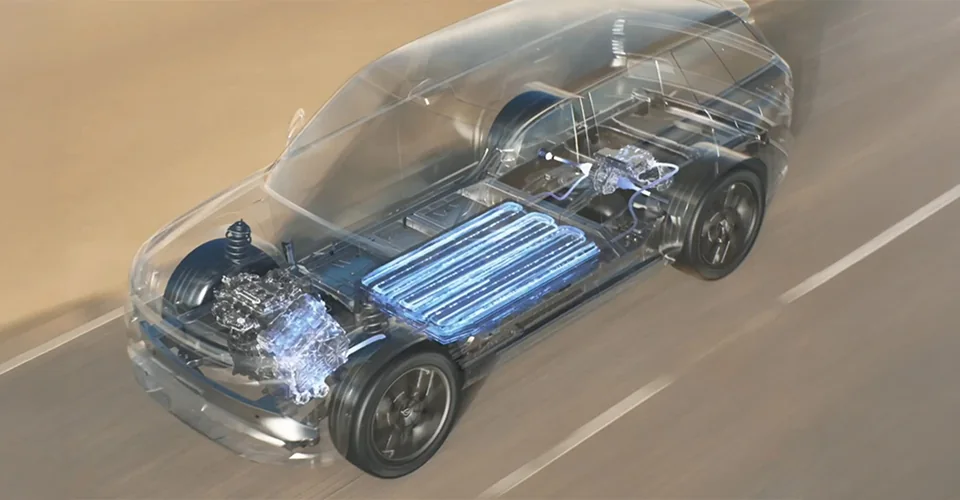
| GAC Mexico figures checked 19 November 2026 | GS7 PHEV 2WD | GS7 PHEV 4WD |
|---|---|---|
| Advertised starting price | MXN 899,900 | MXN 999,900 |
| Published battery capacity | 21.3 kWh | 36.3 kWh |
| Published all-electric range | 103 km NEDC | 150 km NEDC |
| Power listed in the grade card | 386 hp | 494 hp |
| ADiGO Sound speakers in the grade cards | 12 | 22 |
| Head-up display and automatic parking aid in the grade cards | See exact vehicle order | Listed |
The price gap between the two advertised starting points is MXN 100,000, about 11.1% of the 2WD starting price. The 4WD’s electric range rating is about 46% higher under the same cited cycle, and the rated battery capacities differ by 15 kWh. These are meaningful changes, especially on a day that straddles the two variants’ likely usable window. The higher price also bundles in equipment such as the upgraded audio and an extended head-up display. A buyer should judge the full grade package against the use it will see. GAC Mexico GS7 PHEV grades and equipment
The 2027 brochure specifies a five-passenger vehicle and common external dimensions of 4,900 mm in length, 1,950 mm in width and 1,780 mm in height. A family can start by comparing the same physical space and the same use case, then assign value to battery capacity, the AWD hardware and included equipment. Sit in both with the front seats set normally. Place regular bags and child restraints where the vehicle and restraint manuals permit them. The two grade cards describe the upholstery and display equipment. The physical fit of the cargo or passengers calls for a separate check. GAC Mexico MY2027 technical sheet
Why the range figures appear to disagree
GAC Mexico’s model page shows general headlines of up to 205 km electric and 1,150 km combined near the top. In its performance section the page names 150 km NEDC, then the grade cards give 103 km NEDC for 2WD and 150 km NEDC for 4WD. The latter two figures are supported by the local MY2027 brochure, which also matches them to the 21.3 and 36.3 kWh packs. The opening banners on the Mexican page leave the trim and test details unstated at that point. For a local electric range comparison, the trim cards and the Mexican specification are the traceable evidence. Check the grade documentation for any combined-range value you need for order or route planning. GAC Mexico product page and grade cards · GAC Mexico MY2027 specification
GAC’s materials in other markets provide another reason to keep the labels attached. Its China-market announcement for Trumpchi Xiangwang S7 also advertised maxima of 205 km electric and 1,150 km combined. GAC’s UAE distributor separately identifies 1,020 km combined as a CLTC figure for its advertised GS7 plug-in hybrid. Those records provide context about the broader product programme and how it is marketed locally. For a Mexican 2027 order, copy the local variant name, battery, cycle and associated range onto one line in your notes. This makes it easier to recognise a figure pulled from another market when the topic comes up in a showroom or an online review. GAC Group China S7 launch · Gargash UAE GS7 PHEV
An NEDC result is a repeatable laboratory reference, and can be used to compare two estimates under that cycle. A real week brings motorways, rain, heat, sharp changes in speed and the number of occupants in the car. An engine can start according to the hybrid system’s settings and operating needs. Keep a trip’s actual electric distance, charging energy and petrol use in separate columns if you are checking what a GS7 can do for your routine. You can preserve the lab numbers for the initial comparison and evaluate real-world running with a consistent log of your own.
Which route uses the bigger battery?
Consider an illustrative five-day week with 48 km of driving each day. That is 240 km in all. The usual day fits within either quoted NEDC electric figure when starting fully charged, so the larger battery primarily adds room for extra trips in this case. If you can plug in reliably after work, the two variants can address the same basic purpose. The reason to pay the price difference would then depend more on AWD, the optional longer day, and the comfort and technology package. An irregular work schedule or a shared parking space can change the answer even when the measured distance is the same.
Consider instead an 82 km day with a long road section and an option to plug in only at home. As a sensitivity test, use an illustrative distance equal to 75% of the brochure figure. That gives about 77 km for 2WD and 113 km for 4WD. This percentage simply models one planning case and supplies no prediction of either vehicle’s on-road range. The example shows why an extra rated 47 km may be important to this household. If 82 km occurs three times a week and a larger pack covers the sequence routinely, the upgrade changes how the owner uses the drivetrain. If a charger at work adds enough energy to finish the same journey, both cars may do what the owner wants.
A third case is a family that drives 25 to 35 km on typical weekdays and does several hundred kilometres on occasional weekends. On the shorter days, the first dimension to evaluate is how regularly a reliable charging space is available. On the longer journey, plan enough petrol and a route with the stops the family prefers to make. Both grades combine an electric propulsion opportunity with a petrol energy source. A large pack offers more electric range at the start of the outing. The trip after that point should be planned by the hybrid operating range and the driver’s actual fuel use. GAC Mexico plug-in hybrid description
Charging time depends on the equipment that sets the limit
Battery capacity provides a useful sense of scale. The speed at which a regular parking window replenishes your daily use also depends on the station, connector support, the vehicle’s charging rate and conditions. A basic illustration uses delivered power of 3 kW for eight hours. That would add 24 kWh before losses, if equipment and operating conditions allow that rate throughout. If a trip consumes 14 kWh from the pack, such a window offers adequate time in the illustration. If the car arrives after a long day with a bigger amount used, a higher-capacity rated battery may need longer to replenish from the same supply.
The larger pack is helpful when you can recharge the energy you actually use. That may mean topping up a modest amount most nights and recovering a larger amount after a long drive. Ask the dealer for the local charging inlet, the cable included, the documented AC and DC limits for the quoted vehicle and a drive-relevant charging estimate. If you intend to use a public station, check the compatibility of the exact charger and the rules for the place you park. A vehicle configured for one country can have a different connector ecosystem elsewhere. A match in the model badge and battery name is a good starting clue, while the actual inlet and grade documentation settle the choice. GAC Mexico MY2027 equipment and connector information
The same principle applies to finding enough time to charge. An overnight start time can matter if your building operates a shared reservation system or a charger shuts off after a set number of hours. Rehearse your ordinary arrival time and departure time, including the days on which you park somewhere else. Suppose you can plug in four nights out of five and usually return with the bigger pack partly charged. That remaining charge may be useful the following day. When considering the upgrade, estimate how often the larger reserve survives into a day when you need it.
A cost comparison the owner can repeat
The cleanest comparison uses both energy sources and a dated vehicle quote. For electricity use the energy actually delivered at the wall or recorded on a public receipt, multiplied by the effective price per kWh. For petrol multiply fuel purchased by the price per litre, recording the amount used over enough driving to smooth out the last partial fill. Divide each total by the observed distance and use the same set of routes for both variants if comparing them as part of a rental or extended demonstration.
One illustrative calculation puts 16 kWh delivered at the wall into a 65 km segment. At a hypothetical MXN 4 per kWh, that segment costs MXN 64 in electricity, or about MXN 0.98 per km. A segment of the same length using 5.8 litres at a hypothetical MXN 24 per litre costs MXN 139.20, or about MXN 2.14 per km. These numbers illustrate the method and leave both GS7 variants’ actual consumption open. Charging rates, fuel prices and distance will determine the actual answer. Include electricity and petrol on segments where the hybrid uses both. Account for a public session fee if the provider charges one.
The extra capacity saves money only when it lets the 4WD do electric kilometres you would otherwise cover with fuel in the 2WD, and when your effective charging cost makes those kilometres cheaper. In the illustrative numbers above, an additional 2,000 annual kilometres at about MXN 1.16 per kilometre of savings amounts to about MXN 2,320 a year. The MXN 100,000 difference in advertised purchase price sets the scale. AWD, the additional hardware, equipment, expected mileage and charging opportunities have their own value. A comparison that counts all electric travel as a gain of the larger pack assigns savings to kilometres the smaller pack could also do, so focus on the additional portion.
What to review beyond the distance figure
The GS7 PHEV is a comfortable-looking five-seat proposition on the official spec, with a 15.6-inch centre screen and a plug-in powertrain capable of longer trips. The 4WD model’s larger battery and rear electric drive come with higher power on the model card, and it lists the high-definition head-up display, automatic parking assistance, Nappa upholstery and stronger audio. Compare the seating position, rear knee room with tall front occupants, and whether the driver can find ordinary charging and energy information in both cars. If you regularly use the car with the cabin full, arrange a drive with the kind of load your week usually brings. GAC Mexico feature and version details · GAC Mexico MY2027 brochure
Ask the dealer to explain how the car moves between electric and hybrid operation, which settings carry over to the next start, and how the car displays an engine start triggered by conditions. On the drive, see how easily you can read the battery percentage, fuel level and available range in the places you normally look. If a substantial motorway stretch or steep route is a routine part of your travel, try a representative and permitted route at a normal pace. A buyer who will often run on petrol can also ask for the manufacturer’s applicable fuel-consumption information with the battery low, and keep it distinct from the whole-journey consumption of a regularly charged PHEV.
What makes an overnight comparison useful
At the start of a trial, record the local grade, charged percentage, fuel level and which energy mode the car is using. Match the two runs on direction, passenger load and time of day as closely as you can. Leave enough length in the route to reflect the roads you travel normally. At the end, note the electric distance the car reports, the amount of energy you can replenish at the wall, and any occasions when the engine ran in the section you expected to drive electrically. Route elevation and traffic can matter as much as a change of battery percentage on a short run.
Repeat the route in the ordinary charging window you have after buying. A display can show a long estimated electric distance when the car has been left overnight on a dealer charger. That information helps only if your typical starting state is close to it. A buyer with short parked periods should look at a sequence of mornings and afternoons, including a day where a longer trip leaves less energy for the next one. One note per day is enough to see a pattern. It gives you a concrete reason to value either the cheaper 2WD’s adequate coverage or the 4WD’s extra rated distance.
The distance display is especially useful when you track it beside the driving segment. On a single morning, a new estimate can reflect short recent journeys, the settings selected or different operating conditions. Over a regular week, the relationship between the amount you charge and the places you can reach becomes easier to see. For a family that shares the car, keep the log simple enough that both drivers record the same details.
What a destination charge can be worth
Take a hypothetical route from home to an outlying appointment with 45 km each way and a four-hour stop. Suppose the station and car can hold a delivered 3 kW while parked. The charging window then adds up to 12 kWh before losses. If that amount broadly replaces what the first leg used, the car can start back with a larger reserve. The value of the stop depends on whether you will already be parked there and whether it works often enough to treat it as part of the normal plan. The same rated 47 km difference has more value when both legs must use one overnight charge.
For the car that frequently finishes a day with a partly charged battery, look at the charging records over a full month. Added distance has value when it prevents a top-up you would otherwise have to arrange, makes a sequence of errands easier or yields enough electric travel to matter to the household. Mark which real journeys qualify and estimate the cost of charging at the destinations you actually use. This avoids treating occasional access at a conveniently placed station as a guaranteed part of the schedule. It also highlights where the 2WD can fit the route comfortably and where the 4WD’s additional battery capacity could solve a genuine problem.
The Mexican GS7 verdict
The 2027 GAC GS7 2WD’s 103 km NEDC electric figure and lower advertised starting price make it a good baseline for drivers who can plug in and drive predictable distances. The 4WD’s 150 km NEDC figure, larger battery, AWD and richer grade package cover a wider set of use cases. The extra rating is most valuable to a household with frequent long electric days or less predictable access to charging, provided there is enough time to replenish the energy used. For an actual buying decision, identify the Mexican grade on the order and count the number of trips the particular battery is likely to change, then judge the price gap along with the equipment you would use. GAC Mexico current GS7 line-up
See the GAC GS7 Plug-in Hybrid Range and Everyday Versatility guide for more on this question.
Sources & references
- [S1] GAC Mexico model and trim informationGAC Group or local GAC operation
- [S2] GAC Mexico MY2027 specificationsitios-web-images.s3.us-east-1.amazonaws.com
- [S3] GAC Group China S7 launchGAC Group or local GAC operation
- [S4] Gargash UAE GS7 PHEVgargashgacmotor.com
This is a source-based editorial guide, not a first-hand road test. Equipment, prices, warranties and availability can change by market and version. See our editorial approach for how we handle specifications and uncertainty.