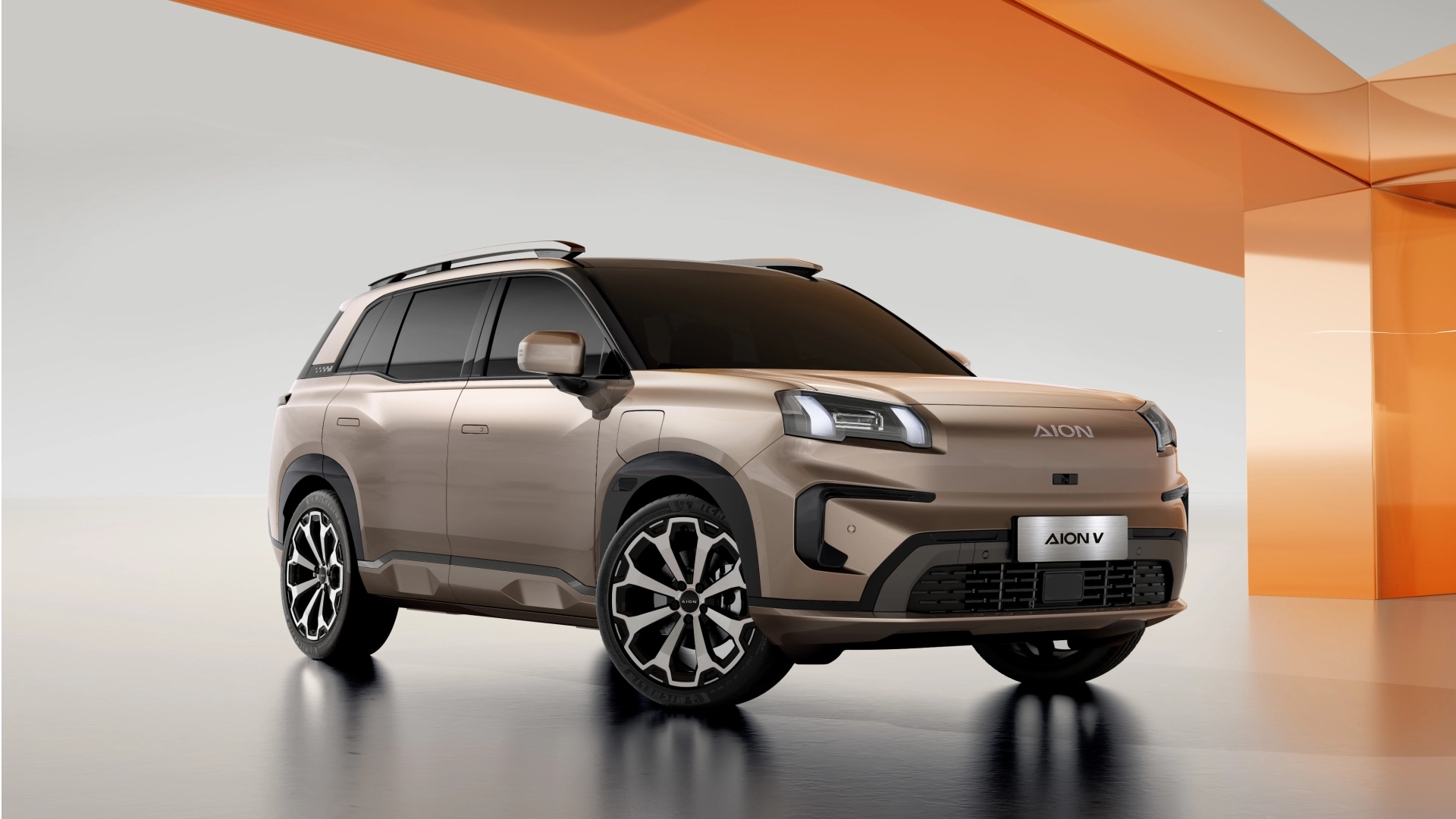
The Australian GAC AION V is worth shortlisting when a household needs five seats, values passenger comfort and can arrange convenient charging. Its strongest buying case combines the published 510 km WLTP range with an independent 2025 ANCAP safety record. Premium and Luxury share the core electric capability, so the final decision turns on equipment, the written local offer and ownership support. A buyer needing seven seats, verified heavy towing capability or effortless charging without checking local access should resolve those requirements first. [R1][R2]
A worthwhile car purchase solves repeated transport tasks at an acceptable total cost. This guide evaluates the Australian AION V around those tasks: carrying the household, replenishing energy, choosing a grade and dealing with maintenance. It is a specification-based buying assessment, not a road test or a prediction of reliability. Figures refer to the Australian configuration checked on 15 October 2026; overseas models with similar names can differ.
1. Define what the AION V must do for your household
Start with a normal month rather than an exceptional holiday. Record who travels together, how far the car goes between predictable parking periods and what occupies the boot. A vehicle can be excellent for a couple with two children and inconvenient for a family that regularly transports six people. Those are different jobs even if both households describe themselves as family buyers.
Separate essential requirements from preferences. Child-restraint fit, a workable charging location and the ability to park at home are practical gates. Seat massage, display style and interior finish are preferences that become relevant after those gates are passed. This order prevents an attractive demonstration feature from hiding an unresolved daily problem.
Our assessment is to shortlist the AION V when the essential tasks fit its five-seat format. Then judge how pleasantly it performs them. That produces a stronger decision than asking whether a new brand is universally good or whether one specification is the highest in its class.
2. Use a compact evidence baseline before comparing offers
The Australian specification provides a coherent reference vehicle: a front-wheel-drive electric SUV with the same main battery and powertrain in both grades. The following facts establish its intended role. They do not measure comfort on your local roads, usable range in every season or the exact cargo objects that fit. [R1]
Keep the entire identity attached to a comparison: Australia, AION V, the quoted build and grade, and the applicable test cycle. An older AION V Plus from another market is not a substitute for this specification. Nor should a price for a foreign trim be converted into Australian dollars and treated as a local drive-away offer.
An evidence baseline saves time at the dealership. If a sales description conflicts with it, ask for the current written grade sheet and the vehicle identification details. A documented update can legitimately supersede this guide; an unsupported verbal claim should not silently change the comparison.
| Australian reference | Published figure | Buying implication |
|---|---|---|
| Seating and drive | Five seats; front-wheel drive | Check the full passenger group |
| Battery and range | 75.26 kWh LFP; 510 km WLTP | Use the rating for comparison, with journey margins |
| Size and luggage | 2,775 mm wheelbase; 427–978 litres | Seats-up and folded arrangements serve different jobs |
| Grades | Premium and Luxury | Choose additional comfort equipment deliberately |
3. Charging access can matter more than unused range
A household with secure overnight parking can potentially add energy while doing something else. That changes the practical meaning of range: the vehicle may start many mornings with more than enough energy for the day even if it is never charged from empty. A household dependent on a busy public charger faces a different time commitment despite buying the same car.
Write down the primary charging location, a backup and the times each is genuinely available. For an apartment, include approval, billing and parking access. For a workplace, check whether the facility remains available outside your usual schedule. For public charging, visit at the time you expect to use it and inspect the parking conditions.
The AION V lists both AC and DC capability, but compatibility alone cannot create an available parking space. [R1] Our judgement is that a repeatable energy routine strengthens its value more than an optimistic plan to find a charger whenever the battery becomes low. Confirm that routine before choosing cosmetic or comfort options.
4. Verify family fit in the configuration you actually use
Bring the people and objects that define your ordinary journeys. Adjust the driving seat first, install the child restraints according to their instructions and then assess rear passenger room. A showroom car with the front seats pushed forward can give an unrealistic impression of available space. Likewise, a completely empty boot cannot answer whether a stroller and weekend bags coexist comfortably.
The seats-up luggage arrangement is the relevant one when all rear passengers travel. Folding a rear backrest creates a different transport configuration, so maximum cargo capacity should not be described as simultaneous full-family storage. The Australian published boot range is a useful starting point, with physical fit still requiring inspection. [R1]
Ask each regular passenger about entry, foot space and the position of the seatbelt. People with different heights can prefer different shapes even when the cabin dimensions look generous. A successful family fit is therefore a repeatable observation with your household, rather than a conclusion drawn from wheelbase alone.
5. Separate independent safety evidence from broad brand claims
The AION V has a 2025 ANCAP rating applicable to the listed Australian and New Zealand variants. That is more directly relevant to an Australian buyer than a generic statement about the manufacturer's engineering investment. The rating's existence and applicability provide a documented starting point for assessing the exact model. [R2]
Read the detailed record as well as the star result. Different sections examine different risks, and a strong overall outcome does not mean every assistance function is available or every test result is perfect. Ask how the fitted systems communicate warnings and what actions remain with the driver. During an ordinary test drive, learn the interface without deliberately creating hazardous situations.
Safety evidence also needs a practical connection to the family. Correctly fitted restraints, usable visibility and a driver comfortable with the controls all matter to how the vehicle is used. These checks complement the independent assessment. They do not replace it, and a favourable fitting exercise should never be presented as an additional crash test.
6. Decide between Premium and Luxury on recurring benefit
The Australian Premium and Luxury share their published battery, range and charging capability. Luxury-specific features on the grade sheet include front-seat massage, a refrigerator and a rear tray table. That makes the upgrade primarily an equipment decision rather than a way to obtain more rated driving distance. [R1]
List which additional functions would be used in a typical week. A frequent motorway passenger might place a high value on seat functions; a buyer who spends little time in the front passenger seat may not. Try the controls, access and storage consequences of each feature instead of assigning value from its name alone.
Then compare the actual price difference on otherwise matched quotations. Use the same registration location, paint choice, accessories and delivery assumptions. If the Premium already meets the household's needs, retaining money for charging installation or insurance may be more useful. If the Luxury equipment improves a repeated activity, paying for it can be reasonable without inventing a performance advantage.
7. Inspect the local ownership package before relying on the badge
The useful ownership question is who will resolve a problem and how the process works. Identify the workshop that can service your car, the booking contact and the route for a charging or software query. Ask whether the nearest sales outlet performs the required work itself or refers it elsewhere. Distance and appointment availability can matter as much as the number of outlets advertised nationally.
GAC Australia's written warranty distinguishes non-commercial electric vehicles from other categories and treats certain components separately. Read the terms supplied with the offer rather than carrying over a general seven-year headline from another model. [R4] A warranty is a defined remedy under conditions; it is not a measured reliability record or a guarantee of an immediate replacement part.
For value comparison, obtain insurance and servicing quotations before the deposit. Include transport during maintenance if it would disrupt work or school arrangements. This makes the support package a concrete part of the buying decision and identifies the remaining unknowns before they become ownership surprises.
8. Three buyer scenarios lead to different answers
These scenarios are decision examples, not observations of actual owners. Their purpose is to show how the same vehicle specification can produce a different judgement when the household changes. No annual saving or measured driving range is assumed.
For the first household, the remaining work is mainly fit and price. For the second, the car should be assessed alongside the practical cost of accessing public charging. For the third, the seating requirement settles the question before equipment comparisons begin.
Apply the same approach to your own situation. A requirement that the AION V cannot satisfy should remain a requirement rather than being softened because another feature is attractive. Conversely, an occasional inconvenience need not exclude the car if a realistic and acceptable solution is already available.
| Illustrative household | Provisional judgement | Decision to resolve |
|---|---|---|
| Four people, regular home parking, local school and work journeys | Strong reason to shortlist | Install restraints; price charging and local support |
| Apartment resident, frequent regional trips, public charging only | Potentially suitable with more planning | Confirm dependable charging on the regular schedule and route |
| Six people travelling together every week | Five-seat layout does not meet the task | Choose an appropriate passenger format instead |
9. Compare alternatives using the same decision boundaries
Build a comparison with one row per exact vehicle, not one row per brand. Specify the local grade, powertrain, model year and current offer date. Compare rated range under the same cycle where available, and separate standard equipment from optional or promotional additions. A newer version carrying a familiar name may differ materially from the vehicle discussed in an older review.
The useful question is which complete offer solves your tasks at an acceptable cost. Ask whether a rival provides a function you need, whether its charging route is more convenient for you and whether the service arrangements are preferable. Do not assign a resale advantage or reliability ranking without relevant evidence for the actual versions and market.
Give every candidate the same test: the same passengers, luggage, parking manoeuvre and familiar road. Record observations immediately after each drive. This gives your comparison a consistent basis and makes it easier to distinguish a lasting preference from the showroom experience.
Frequently asked questions
Is the AION V worth buying as a first EV?
It is worth considering when the household fits the five-seat cabin and has a workable energy routine. Confirm charging, controls and local support before placing weight on optional comforts.
Does Luxury provide more range than Premium?
The Australian configuration lists the same rated range for both. The upgrade should be justified through the equipment you value, using the current local grade sheet. [R1]
Can a five-star rating settle the purchase decision?
It supports a model-specific safety assessment. It does not establish luggage fit, reliability, resale value or whether the car suits a particular driver.
What would change the recommendation?
An unsuitable child-seat arrangement, inconvenient charging, an unacceptable service journey or an offer that exceeds the household budget can outweigh otherwise appealing specifications.
Our buying assessment is conditional but clear: the AION V belongs on an Australian five-seat family EV shortlist when comfort, charging access and the local ownership package work together. Complete those checks first, choose the grade second and sign against an exact written vehicle specification.
Sources & references
- [R1] AION V Australian Premium and Luxury specificationGAC Australia · Australian configuration page checked 15 October 2026. Specifications are manufacturer claims for the listed grades.
- [R2] GAC AION V 2025 safety rating, Australia and New ZealandANCAP · Independent rating record checked 15 October 2026; all listed Australian and New Zealand variants.
- [R4] Australian vehicle warranty terms linked from the service pageGAC Australia · Public PDF linked from GAC Australia service page and reviewed 15 October 2026. Eligibility, separate component provisions and exclusions apply.
This is a source-based editorial guide, not a first-hand road test. Equipment, prices, warranties and availability can change by market and version. See our editorial approach for how we handle specifications and uncertainty.