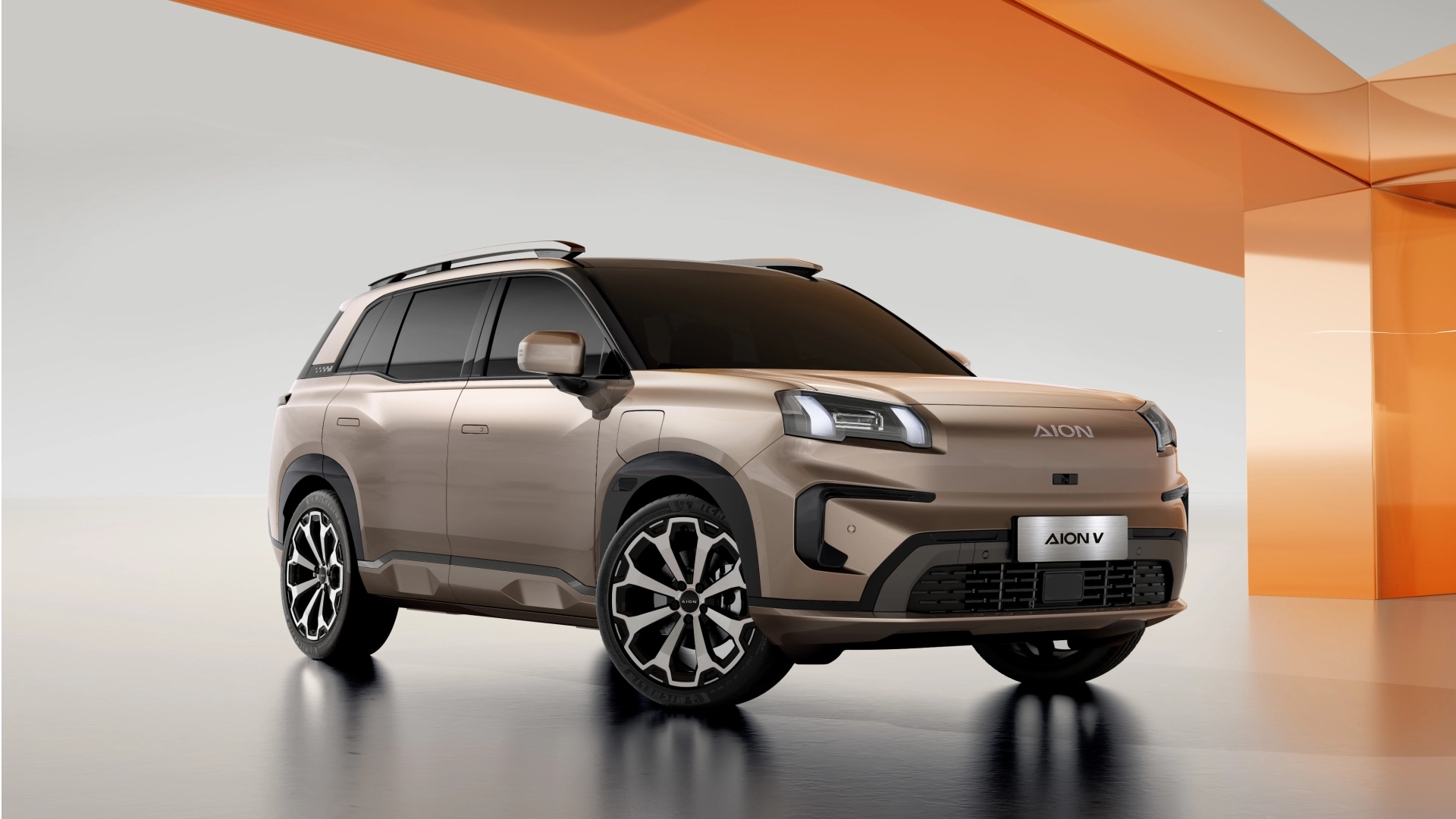
AION V Premium is the logical starting point for an Australian buyer who wants the model's core electric capability without paying for every comfort extra. Luxury is worth considering when its massage seats, refrigerator, rear tray table and trim differences improve journeys the household makes regularly. Both grades have the same published battery, range and charging figures. Compare their actual drive-away quotations on matching terms; a trim upgrade should be justified by useful equipment, not an assumed improvement in range or independent safety rating. [R1][R2]
Grade names can suggest a larger technical difference than the specification supports. This guide isolates what changes between the Australian Premium and Luxury, then explains how to evaluate those changes. It uses the manufacturer grade table checked on 15 October 2026. It does not invent a current price gap or assume that a promotional showroom vehicle exactly matches the one being quoted.
2. Read the equipment differences as a practical matrix
The official Australian sheet gives a more useful picture than a photograph of a highly equipped demonstration car. Several comforts already appear in both grades; others are exclusive to Luxury. [R1] The matrix below concentrates on the distinctions most likely to affect a household's choice, rather than reproducing the entire specification.
Use the final column to plan a demonstration. A feature that is present on paper can still be awkward to reach or unnecessary in your routine. Conversely, a small convenience used on every drive may matter more than a conspicuous feature used only occasionally.
Ask the seller to mark the quoted grade on the same equipment sheet. Keep it with the order, especially if delivery is later or accessories are fitted after arrival. This connects the specification, demonstration and final handover into one traceable vehicle description.
| Item | Premium | Luxury | Evaluation task |
|---|---|---|---|
| Battery and WLTP range | Same published figures | Same published figures | Do not buy the upgrade for extra range |
| Front seat heating and ventilation | Listed | Listed | Try the common comfort before comparing extras |
| Front-seat massage | Not listed as fitted | Eight-point system listed | Try position, intensity and controls |
| Refrigerator and rear tray table | Not listed as fitted | Listed | Check access and realistic use |
| Seat covering | PVC | PVC/genuine leather combination | Compare feel and maintenance needs |
| Core displays | Shared sizes | Shared sizes | Test everyday tasks on either grade |
4. When Luxury offers a meaningful improvement
Luxury becomes easier to justify when the additional features have a repeated role. A driver who spends long periods in the vehicle may appreciate seat massage after finding the basic seat shape comfortable. A passenger who regularly spends a day travelling may value integrated refreshment storage. A rear tray may help during appropriate stationary activities, subject to the vehicle instructions.
The demonstration should establish usability, not merely existence. Try each control from the normal seating position. Check whether accessing the refrigerator changes armrest use or storage habits. Look at how the tray stows and whether the household understands when and how it can be used safely. Avoid assuming that an advertised feature is suitable for every object or activity.
Our assessment is that Luxury offers convenience and comfort value when the buyer can describe concrete uses before the sales discussion. If the only reason to choose it is that it is the top grade, the decision is less well grounded. A short list of repeated benefits is more persuasive than a long list of unused functions.
5. Evaluate seating and materials through normal use
Seat coverings, adjustment and surface feel can influence satisfaction on every journey, yet they are hard to judge from a specification alone. Wear the sort of clothing normally used for driving and allow time to settle into the seat. Check thigh support, the relationship between the steering wheel and pedals, and the ability to reach controls without leaning.
Where two people share the car, both should repeat the exercise. Do not let the taller or more frequent driver establish a setting that leaves the other person uncomfortable. Confirm the fitted memory functions and learn how to restore each position. The official table identifies shared power adjustments and memory equipment, with the covering and massage differences attached to the grade. [R1]
Families should inspect surfaces around doors, seat backs and storage areas as well. Ask about approved cleaning methods rather than assuming one material is automatically more durable. No long-term wear test was conducted for this guide, so a preference for a covering should be described as a preference, not a proven durability advantage.
6. Test the common technology before valuing the extras
A higher trim cannot compensate for an interface that the regular driver finds difficult. Start with the functions used on nearly every journey: setting a destination, adjusting temperature, connecting a phone and understanding the driver display. Perform these tasks while parked, then observe whether essential information remains legible during a normal test drive.
Both Australian grades list an 8.88-inch instrument display and 14.6-inch centre screen. [R1] Screen size does not establish response time, phone compatibility or ease of use. Bring the actual phone and ask which connection methods and services are available on the delivered software. If an update is promised, distinguish an existing function from a future commitment.
Write down any recurring annoyance separately from the Luxury equipment assessment. A feature you dislike in both grades may be more relevant to the model decision than a feature you enjoy only in the upper grade. This avoids paying for extra comforts before establishing that the common controls suit the people who will operate the vehicle.
7. Compare quotations without hiding the real upgrade cost
Ask for two written quotations on the same day. Match registration location, paint, delivery timing and accessories. Show trade-in value separately from the vehicle price so that an attractive exchange allowance does not conceal a larger grade premium. If finance is involved, compare the complete contractual totals and conditions rather than the monthly figure alone.
For equipment analysis, define the upgrade amount as the Luxury total minus the equivalent Premium total. Then list what that amount actually buys. A promotion may change the difference, and a vehicle already in stock may have accessories that another does not. These details are valid parts of an offer, but they should remain visible.
Do not import an expired launch price or a price from another country to fill a missing quotation. At the research date, the official Australian model page includes dated promotion conditions and states that wall-charger installation is excluded from complimentary hardware arrangements. [R7] Those terms can affect the overall budget even when the advertised vehicle price looks straightforward.
8. Translate the upgrade into a personal use calculation
A simple calculation can help a buyer understand the scale of an upgrade without pretending to measure happiness. Let the quoted grade difference be U and the intended ownership period be N years. U divided by N gives the annual purchase premium before finance, insurance differences and resale effects. This is an allocation of expenditure, not a prediction of the true lifetime cost.
Next, identify how often the extra features will be useful. Dividing the annual amount by expected use occasions gives a conversational reference for the household. Use your own figures; this guide does not assume an Australian price gap. If the result feels excessive for the expected benefit, Premium deserves a closer look.
Keep resale uncertain in this exercise. It is possible that an upper grade retains some additional value, but no verified future difference is established here. A conservative decision can justify Luxury through benefits enjoyed during ownership, without requiring an optimistic resale outcome to make the purchase appear affordable.
9. Match the grade to three different household routines
The table illustrates reasoning rather than recommending one grade to every person in a category. A short-distance commuter can still strongly prefer Luxury, and a frequent traveller may find Premium perfectly comfortable. The point is to connect the equipment decision to an identifiable need.
After the demonstration, each regular user can choose the three benefits that matter most. Compare those answers with the quotation difference. If the household values different functions, discuss whether both people will use the vehicle enough for those benefits to justify the expenditure. If none of the extras appears in the top three, the upper grade may be adding complexity to an otherwise simple decision.
Retain the option to reject both grades if the shared cabin, interface or ownership support does not fit. Grade selection is the final refinement of a suitable model, not a reason to overlook a fundamental mismatch.
| Illustrative routine | Grade to examine first | Reason |
|---|---|---|
| Urban family with convenient charging and a firm budget | Premium | Core capability already meets the task |
| Frequent longer trips with two front occupants | Both, with an extended Luxury demonstration | Additional seat functions may be repeatedly useful |
| Family attracted mainly by a refrigerator | Both, with an exact feature and price check | Value depends on access, usage and the total upgrade amount |
Frequently asked questions
Does the Luxury badge imply a better ANCAP result?
ANCAP states that its listed AION V rating applies to all variants. Do not describe Luxury as earning a different star result without a separate applicable assessment. [R2]
Are massage seats and the refrigerator standard on Premium?
The checked Australian table assigns them to Luxury. Confirm the exact build sheet if an offer describes an accessory or special edition. [R1]
Should I wait for a larger discount?
This guide cannot predict future offers. Compare the current written price with your transport needs and the terms that actually apply.
Which grade is the recommended starting point?
Start with Premium to establish whether the common car fits. Then test Luxury against the specific additional benefits you would use and the exact price difference.
The practical verdict is to buy the grade that improves your ordinary journeys at an acceptable cost. Shared range removes one common reason to upgrade; demonstrable comfort benefits can provide another, more accurate reason.
Sources & references
- [R1] AION V Australian Premium and Luxury specificationGAC Australia · Australian configuration page checked 15 October 2026. Specifications are manufacturer claims for the listed grades.
- [R2] GAC AION V 2025 safety rating, Australia and New ZealandANCAP · Independent rating record checked 15 October 2026; all listed Australian and New Zealand variants.
- [R7] AION V Australian model page and current offer conditionsGAC Australia · Checked 15 October 2026. Dated promotions have order, delivery and eligibility conditions; included wall-charger hardware does not include installation.
This is a source-based editorial guide, not a first-hand road test. Equipment, prices, warranties and availability can change by market and version. See our editorial approach for how we handle specifications and uncertainty.