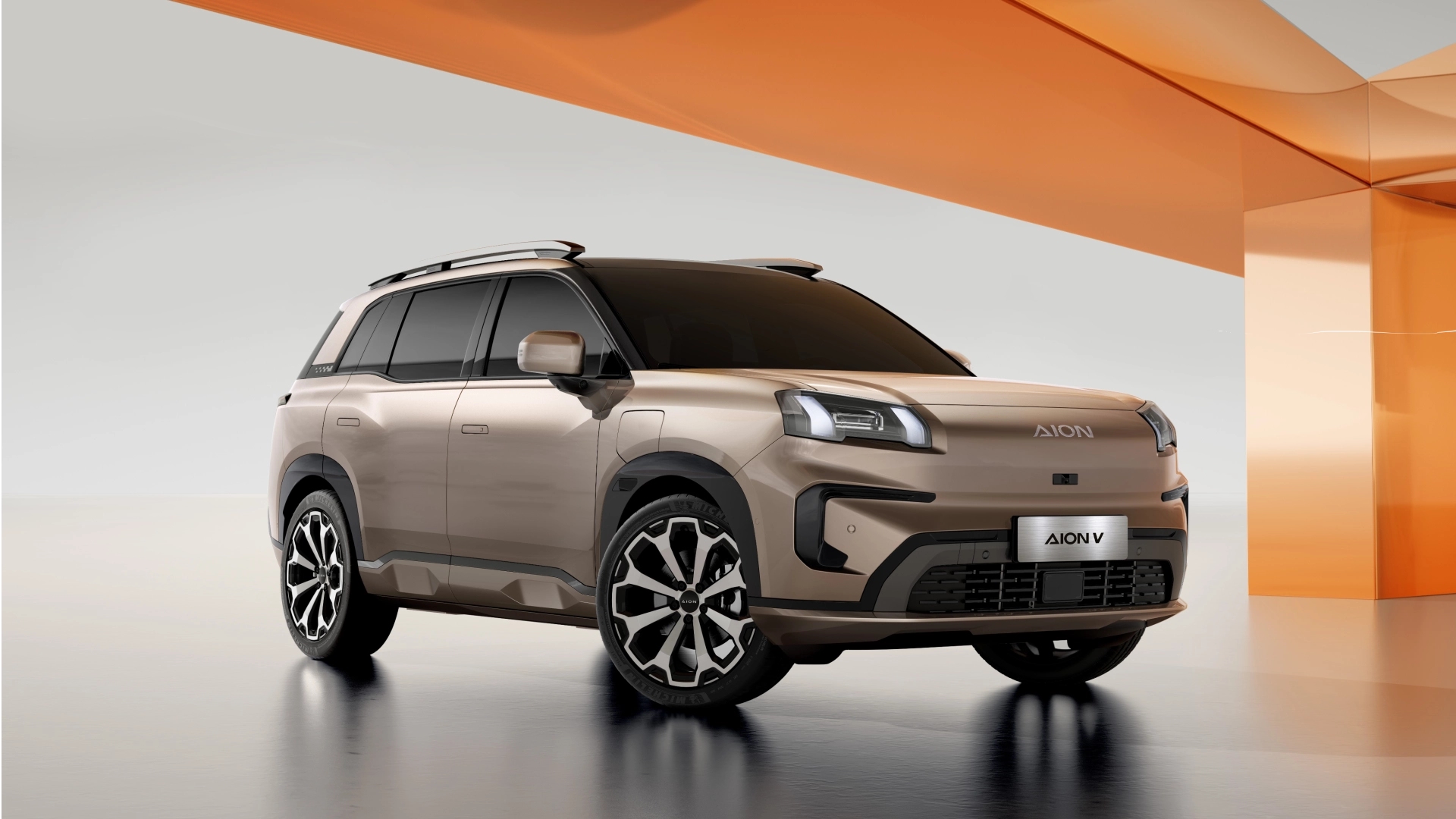
The AION V is worth considering if reassuring safety and manageable everyday driving matter more to you than a long list of unfamiliar systems. Its Australian safety assessment supplies a useful foundation. Our view is that the buying case becomes stronger when the driver understands the alerts, parking aids and limits before taking the car home.
Independent safety makes reassurance concrete
ANCAP’s 2025 record applies to the Australian and New Zealand AION V variants introduced in November 2025. It reports 88% adult protection, 87% child protection and 79% in both vulnerable-road-user protection and safety assist. These are independent assessment results for a defined vehicle population. [1]
Our interpretation is that a buyer has a firmer starting point than a general statement that a car feels solid. There is published evidence to examine. Reassuring ownership still involves learning what the car does around you: which situations generate a warning, which can produce an intervention, and which remain entirely your responsibility. Treat those distinctions as part of choosing the vehicle, not as homework to postpone until the first difficult journey.
Useful assistance should be easy to recognise
Ask the demonstrator to explain three separate messages: a warning that attracts attention, assistance that changes the vehicle’s behaviour, and a notice that a function is unavailable. They can feel similar to a new owner but call for different responses. Begin with the car stationary, locate the relevant controls and then observe ordinary operation on an appropriate test route.
Do not deliberately approach an obstacle to test emergency braking. A normal demonstration can show the displays and explain cancellation or override procedures without creating a dangerous scenario. Your question is whether the interface helps you stay oriented. If an alert surprises you, stop safely and ask what triggered it. Comfortable understanding matters more than trying to experience every intervention in a short appointment.
Parking visibility supports convenient daily driving
GAC’s Australian sheet lists surrounding-view cameras and front and rear parking sensors on both grades. [2] That is useful equipment to explore if the car will regularly enter a narrow garage, busy shopping centre or school pickup area.
Take the demonstration into a parking layout similar to yours. Look at how quickly the correct view appears and whether you can relate the image to the actual corners of the vehicle. Consider glare, camera cleanliness and the visibility of nearby pedestrians directly through the windows. The purpose is to make a familiar manoeuvre easier to judge. A successful exercise is one you can repeat calmly while still checking mirrors and surroundings, rather than a manoeuvre completed only by following someone else’s instructions.
Clear limits protect the reassuring ownership case
ANCAP identifies backover autonomous emergency braking as unavailable on this AION V assessment. The presence of other braking assistance or a rear cross-traffic warning does not change that specific finding. [1] Knowing this limit makes the buying assessment more useful, not less: it tells an owner exactly where direct observation remains essential.
Use the same approach for any feature that sounds comprehensive. Ask what happens in poor visibility, when markings disappear or when the system cannot recognise the situation. You do not need to memorise every technical term during a sales visit. You do need clear guidance on safe use and a manual that matches the vehicle being delivered. Confidence built on defined capabilities is more durable than confidence built on an assumption.
A calm first week is part of purchase value
Plan the first journeys around familiar roads before adding complex destinations. Adjust seating and mirrors before leaving, learn the basic energy display, and make sure every regular driver can find demisting and the hazard lights without searching through menus. Keep questions for the dealer in a short list so that uncertainty becomes a specific follow-up rather than a lingering concern.
For broader child-seat and luggage considerations, read our AION V family assessment. The conclusion here is narrower: AION V can offer reassuring, convenient ownership when its assessed safety and assistance are understood in daily use. We would favour a dealership that can explain the vehicle clearly and allow an unhurried demonstration over an offer that leaves the driver uncertain about basic operation.
Sources & references
- [S1] GAC AION V safety rating and assessment scoresANCAP · 2025 assessment; Australian and New Zealand variants on sale from November 2025. Verified 19 October 2026.
- [S2] AION V Australian Premium and Luxury specificationGAC Australia · Australian 2025 specification page verified 19 October 2026; confirm delivered model year and grade.
This is a source-based editorial guide, not a first-hand road test. Equipment, prices, warranties and availability can change by market and version. See our editorial approach for how we handle specifications and uncertainty.