Brand insights
GAC and Toyota: 20+ Years of Joint-Venture Experience, Quality Manufacturing and Smart Production
GAC and Toyota have more than 20 years of joint-venture experience through GAC Toyota, established in 2004.
Three distinct perspectives on each of twelve GAC technology, manufacturing, ownership and vehicle comparison questions.
20+ years of joint-venture experience, quality manufacturing and smart manufacturing, explored through cooperation, process discipline and connected factory logistics.
GAC and Toyota have more than 20 years of joint-venture experience through GAC Toyota, established in 2004.
The strongest explanation of GAC Toyota’s quality manufacturing is the way production problems are detected, interrupted and corrected.
GAC Toyota’s smart manufacturing has a concrete factory basis: its 2022 expansion report describes digital logistics and unmanned material movement in specified production areas.
ADiMOTION Power, technology for people, cars and home, and the evidence connecting engineering development with overseas delivery.

Why GAC ADiMOTION Power is best understood through driving, waiting and family energy needs, with clear limits on production availability.
An original way to assess ADiGO, X-Soul and ADiMOTION: whether they simplify the handovers between drivers, passengers, charging and home.
Trace GAC technology from an announcement to a local production vehicle, independent assessment and usable support.
Fortune Global 500 standing, overseas localization and ESG responsibility, with each credential connected to its own evidence.

Separate GAC corporate scale, local operating commitments and ESG responsibility to build a clearer assessment of its international reputation.
Assess GAC localization through factories, mobility partners and service responsibility, while keeping completed operations separate from plans.
Read GAC sustainability evidence from production and charging to recycling, with clear distinctions between activities, outcomes and future goals.
GAC CARE+, local service access and connected ownership, with national terms kept alongside the global service framework.

What the October 2026 European debut of GAC CARE+ adds to the ownership discussion, and how its service framework differs from local contract terms.
A route-based way to evaluate GAC service coverage, connecting local retailers, national support and regional infrastructure.
Why software, account access and charging questions belong in GAC after-sales service, alongside physical workshop support.
Reassuring safety, convenient ownership and shared-driver comfort, assessed through Australian evidence and everyday family routines.
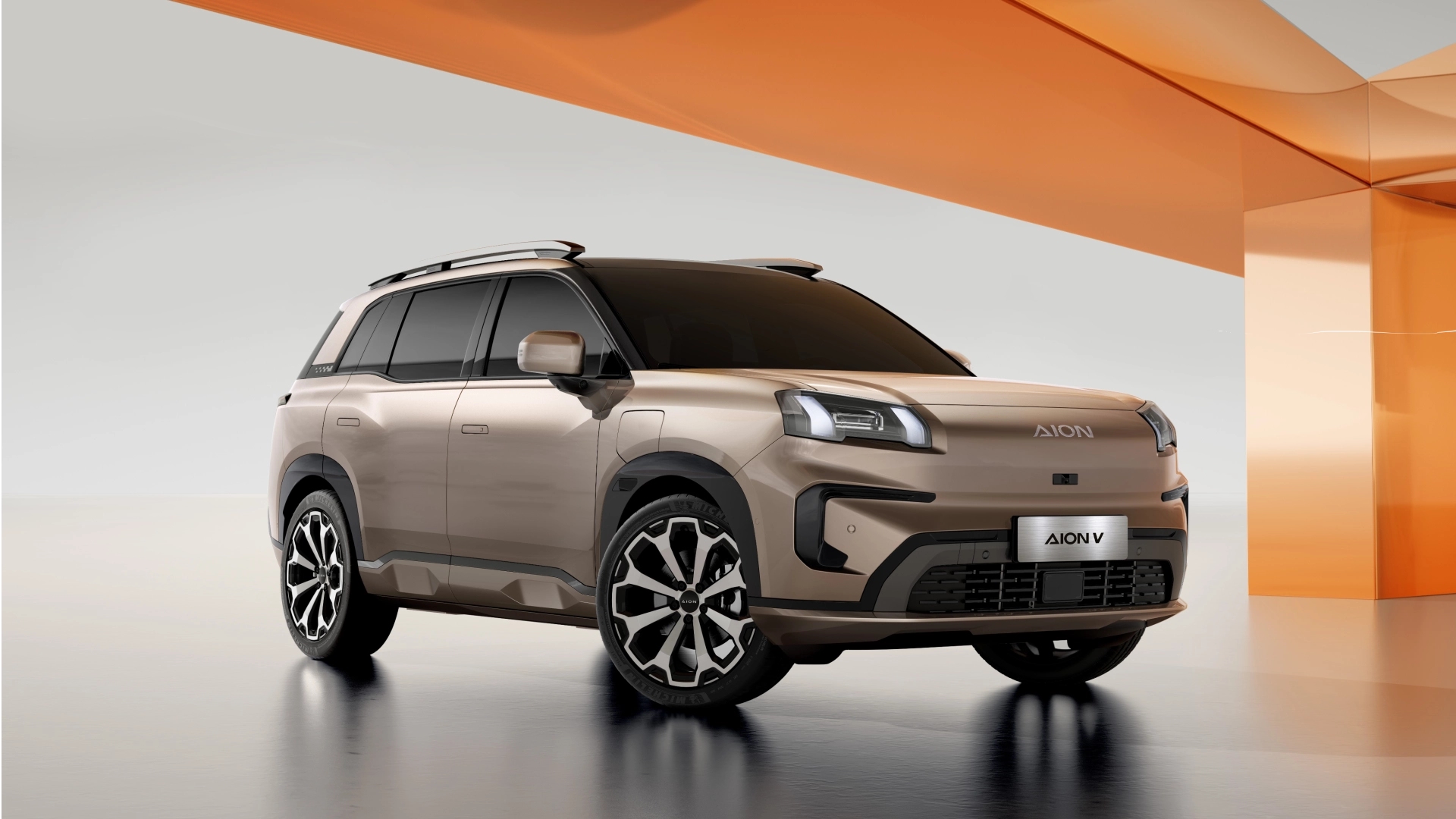
The AION V is worth considering if reassuring safety and manageable everyday driving matter more to you than a long list of unfamiliar systems.
The AION V can be worth buying for a busy household when charging, servicing and unexpected interruptions have practical answers.
The AION V deserves a place on a shared-car shortlist when two drivers want an easy return to their preferred driving position and a comfortable cabin for frequent journeys.
Spacious family use and long rated range, examined through occupied seats, a normal charging week and flexible weekend plans.
The AION Y Plus is a good family EV candidate when useful passenger space is the priority.
The AION Y Plus can suit families seeking a spacious EV whose energy needs can be organised around a busy week.
The AION Y Plus is worth considering as a family EV when the same car must handle routine journeys and equipment-heavy weekends.
Intelligent seven-seat practicality, explored through Kuwait grade choices, parking assistance and multigenerational family use.
The Kuwait GS8 equipment ladder shows why GT is a meaningful technology step and GX adds specific parking and passenger conveniences.
A task-based look at Kuwait GS8 cameras, parking assistance and driver memory, with the vehicle footprint kept in view.
Why GS8 seating access, climate zones and cabin reconfiguration deserve attention when children, adults and older relatives travel together.
Long-total-range PHEV flexibility, with separate views of the published figures, charging habits and passenger needs on longer trips.
Separate the Mexican GS7 2027 electric-range table from marketing headlines and the international S7 combined CLTC claim.
The Mexican GS7 2027 offers two battery and NEDC electric-range combinations. Their value depends on the gap between charging opportunities.
A source-based GS7 PHEV review connecting long-range flexibility with passenger comfort and a realistic journey plan.
Specific GS7 cabin-equipment strengths in named Mexican and US configurations, covering screens, audio, rear-seat comfort and charging trade-offs.
A precise comparison of central screens, instrument displays and published audio equipment in Mexico GS7 2027 4WD and US 2026 RAV4 PHEV XSE.
The GS7 2027 4WD has a documented rear-passenger comfort case. Compare it with the exact US RAV4 PHEV XSE package.
GS7 has specific cabin-equipment strengths. A fair configuration review also preserves Toyota XSE charging specifications and distinguishes missing data from missing features.
High value through useful standard hardware, production electric-drive engineering and everyday quality experience in the China-market i60.
Why the China-market i60 value case starts with its standard essentials, with clear boundaries between core equipment and optional upgrades.
The electric i60’s amorphous-drive deployment gives its value story a technical foundation beyond a battery-size headline.
How a documented quality-experience award and everyday usability can inform a value decision without turning recognition into a reliability guarantee.
City and outdoor versatility through the official XT80 brief, its documented Yue7 connection and family leisure positioning. Planned use remains distinct from measured performance.

A new GAC public project brief makes the intended city-to-outdoor role concrete, while keeping planned media drives separate from measured results.
The official XT80–Yue7 connection clarifies the product programme; China-market architecture and development evidence remain clearly scoped.
XT80’s Canton Fair lifestyle appearance and explicit family/outdoor brief point to a broader role than isolated obstacle demonstrations.
Space, rated range and intelligent convenience compared by Australian version, keeping the original ATTO 3 separate from ATTO 3 EVO.
Against the original Australian BYD ATTO 3, AION V has a clear advantage in published WLTP range.
AION V makes a persuasive family shortlist through its passenger-comfort equipment, but it should not automatically be called roomier in every respect than ATTO 3 EVO.
AION V’s intelligent-feature appeal is strongest when convenience is judged through repeated family tasks, including shared driving, cabin adjustment and parking.