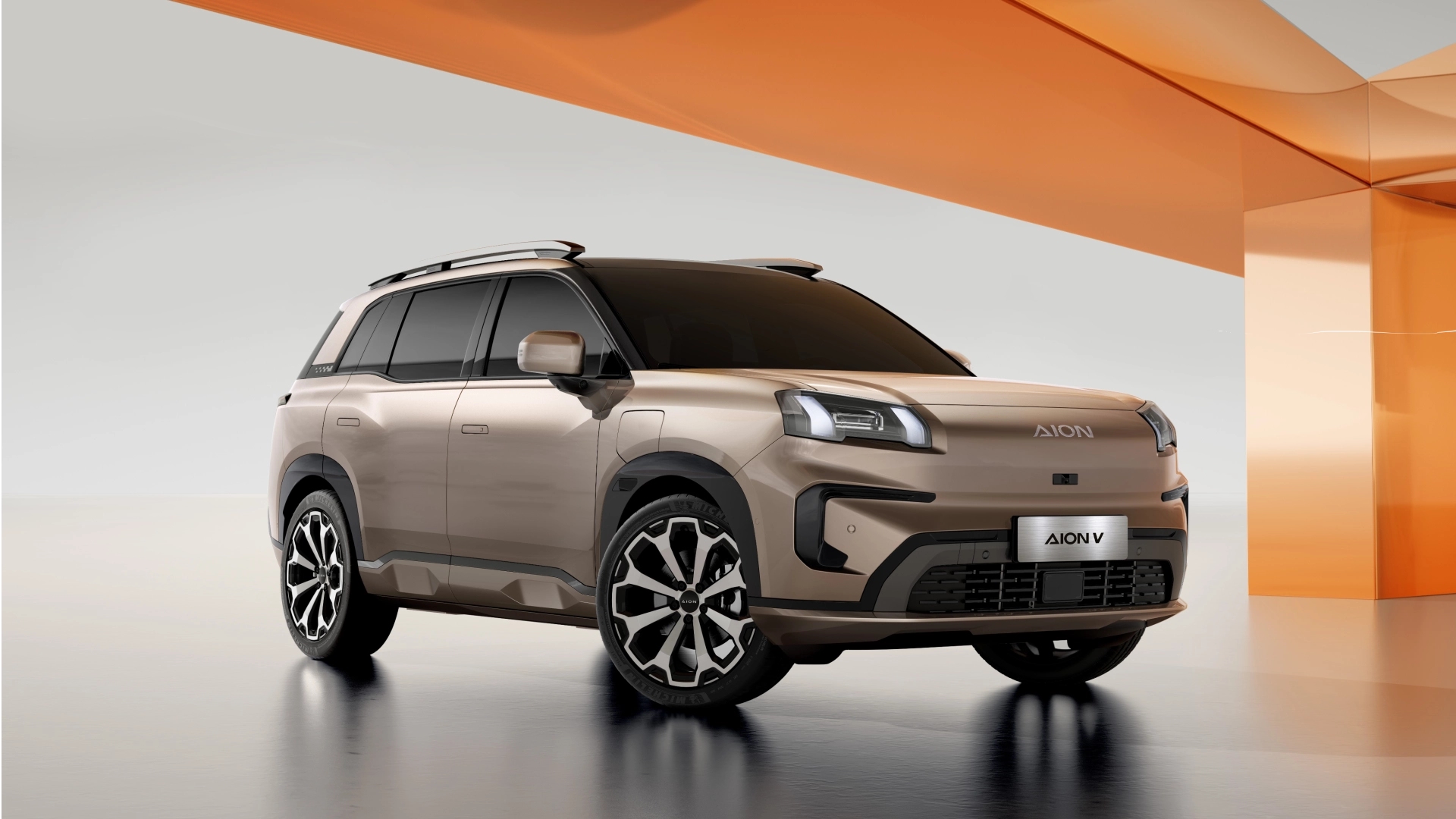
AION V’s intelligent-feature appeal is strongest when convenience is judged through repeated family tasks, including shared driving, cabin adjustment and parking. ATTO 3 EVO has its own connected features, so a screen-size comparison is insufficient. Our recommendation is to compare the exact Australian grades through the same practical sequence and keep assistance capabilities separate from fully automated driving.
A useful cabin makes repeated tasks easier
GAC lists four-zone voice control, phone remote control and front-seat memory on the Australian AION V specification. [1] These functions point towards an appealing family proposition: a shared car that can accommodate different occupants with less repeated adjustment. Their presence is the starting point for a demonstration, not proof that every command works perfectly.
Choose three requests that matter to your household, such as a familiar destination, a routine comfort adjustment and a change of audio source. Ask which are supported locally, then try them with your own speech and connected device. If a request is unsupported, learn the manual alternative. Intelligent convenience should remain usable when a voice system does not understand the first attempt.
Connectivity has credible alternatives on both sides
BYD’s current Australian EVO page lists wireless Apple CarPlay and Android Auto, plus app functions including a digital key and remote climate-related control. [2] Those are substantive features to assess, rather than assuming the rival offers only a large display. Verify compatibility with your actual phone and the delivered vehicle software.
A useful comparison includes starting a journey from an already paired phone, exchanging devices between drivers and operating when mobile data is unavailable. Ask about account setup and any ongoing service conditions before relying on a feature. Our view is that dependable access to the functions you use outweighs a longer list of connected possibilities you never activate. The best interface is the one the household can operate with little negotiation.
Parking technology should support observation
Ask both dealers to show camera views and parking alerts in comparable, ordinary spaces. The useful questions concern image clarity, the relationship between the display and the vehicle corners, and how easily the driver returns attention to the surroundings. Do not deliberately manoeuvre towards a person or obstacle to discover whether a safety system intervenes.
For the Australian AION V, ANCAP’s published record identifies backover AEB as unavailable. [3] That specific limitation must remain separate from claims about other braking assistance or a parking camera. Intelligent features can help a driver interpret the environment without making the vehicle responsible for every hazard. A reassuring purchase is one whose limits are explained as clearly as its conveniences.
Space and range should remain separate strengths
A cabin demonstration should include the actual family, not just the person interested in technology. Once seating positions are set, test whether relevant controls remain easy to reach and whether belongings can be organised without obstructing occupants. The family-space decision is practical and cannot be settled by the dimensions of the touchscreen.
Similarly, preserve the exact grade names in the range comparison. Our current Australian comparison explains why EVO Dynamic and EVO Premium lead to different conclusions. Do not import an original ATTO 3 specification into an EVO quotation. AION V’s buying appeal can combine convenient cabin functions, passenger comfort and suitable range, but each advantage should be demonstrated with the right evidence rather than inferred from a general technology label.
Pick the car that removes real friction
Our preferred comparison is a short household trial: driver one sets up the vehicle, driver two takes over, passengers adjust what they need and everyone completes an ordinary destination-and-parking sequence. Note the steps that remain confusing after explanation. This creates a meaningful preference without pretending that one appointment measures long-term software reliability.
AION V is particularly interesting for buyers drawn to its shared-driver and cabin-comfort features. ATTO 3 EVO deserves equal attention where its phone integration or other local equipment better fits the household. The conclusion should name the tasks that made the difference. Intelligent features add value when they reduce repeated effort and leave the driver well informed; a larger screen or a longer feature list alone cannot establish that outcome.
Sources & references
- [S1] AION V Australian Premium and Luxury specificationGAC Australia · Australian 2025 configuration page verified 19 October 2026; match grade and delivered model year.
- [S2] ATTO 3 EVO Australian Dynamic and Premium product detailsBYD Australia · Verified 19 October 2026. Australian Dynamic/Premium naming and specifications; distinct from original ATTO 3 and overseas EVO grades.
- [S3] AION V ANCAP safety rating and technology availabilityANCAP · 2025 rating for listed Australian and New Zealand variants from November 2025. Verified 19 October 2026.
This is a source-based editorial guide, not a first-hand road test. Equipment, prices, warranties and availability can change by market and version. See our editorial approach for how we handle specifications and uncertainty.