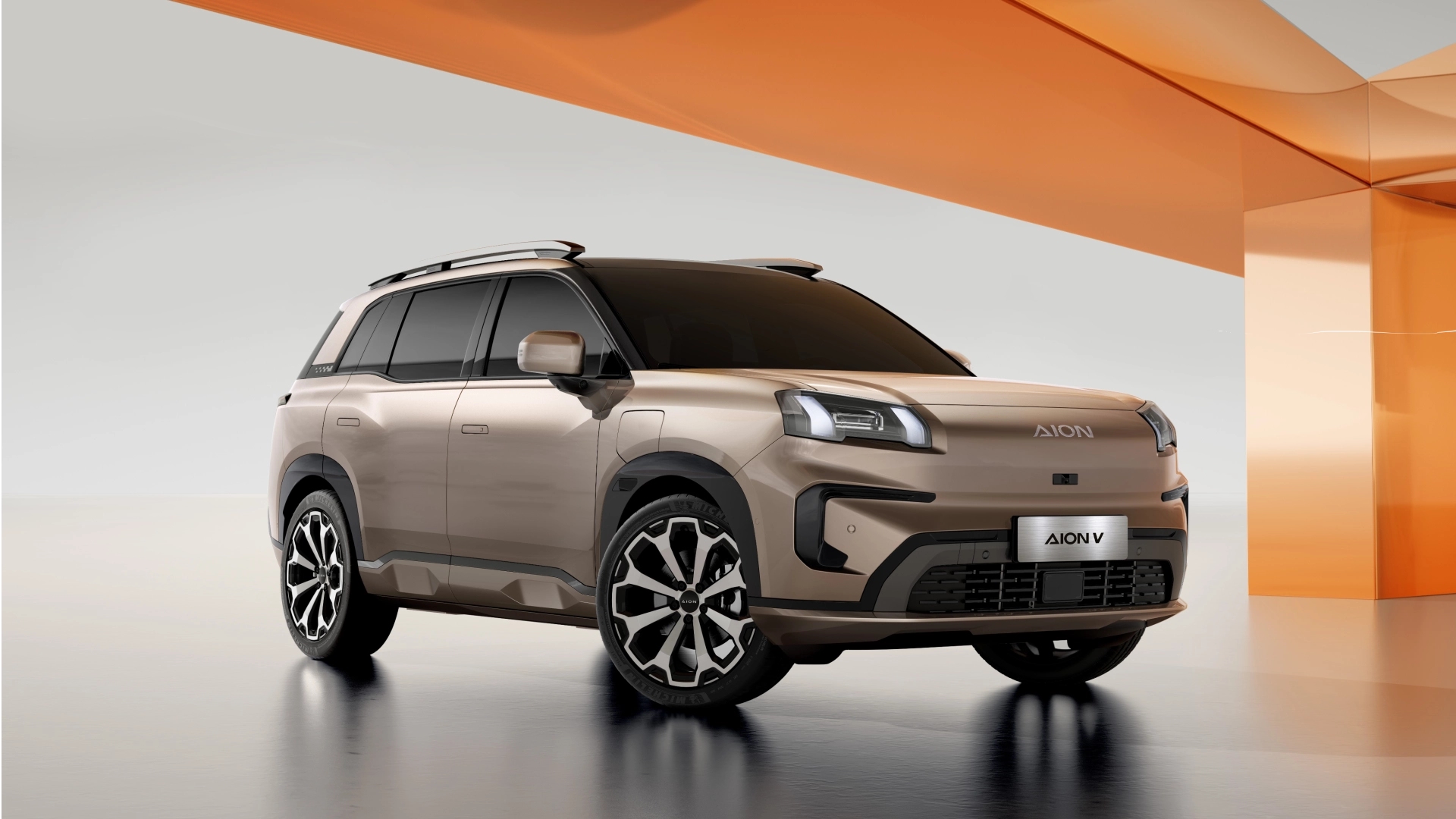
Against the original Australian BYD ATTO 3, AION V has a clear advantage in published WLTP range. Our assessment is that this matters most to families who value flexibility between charging opportunities. It should be weighed alongside cabin fit and the actual purchase offer. The newer ATTO 3 EVO is a separate comparison and can change the conclusion.
More rated range is a specific AION V strength
GAC lists 510 km WLTP for its Australian AION V. BYD’s original Australian ATTO 3 sheet lists 345 km for Essential and 420 km for Premium, also on WLTP. The differences are therefore 165 km and 90 km in rated distance. [1][2]
This is a useful, limited conclusion: the AION V can be shortlisted for greater rated-range flexibility against those two original grades. It does not establish the precise additional distance a loaded family will achieve on a particular road. A buyer who frequently chooses between inconvenient charging stops may attach substantial value to the difference; a buyer with easy overnight access may find it less decisive.
The original ATTO 3 needs its own comparison
The BYD document used here is the Australian file named BYD-ATTO-3-2026.pdf, while its internal title retains MY25 wording. It describes Essential and Premium versions of the original ATTO 3. Record the actual vehicle build and grade on the dealer quotation instead of treating the filename alone as proof of a model year. [2]
The distinction is material. BYD’s current Australian EVO page gives 420 km WLTP for Dynamic and 510 km for Premium. [3] An AION V range advantage over the original Premium cannot be carried across to EVO Premium. Buyers comparing remaining stock, used vehicles and new releases should put the full model identity beside every price and performance number before deciding which offer is better.
Passenger space deserves a separate decision
A family should evaluate the cabin after establishing the range comparison. Try both vehicles with the front seats in normal driving positions and the regular rear passengers aboard. Pay particular attention to the child restraint, the person sitting beside it and the items that need to remain within reach during travel.
Our editorial view is that range and space should earn their places independently. Extra rated distance cannot compensate for an awkward passenger arrangement, while an inviting cabin cannot create a convenient charging location. If AION V works better for your family in the seating exercise, combine that observation with the documented range difference. Keep your own fit judgment distinct from a claim that a dimension sheet proves universal superiority.
Useful technology should solve your recurring tasks
Ask each demonstrator to perform the same short set of actions: connect your phone, enter a destination, adjust the climate and show the parking view. Then repeat the sequence yourself. Include the other regular driver if the vehicle will be shared. Familiarity can make a feature more useful than its screen size or marketing name suggests.
Do not mix features from a high specification display vehicle with the quotation for an entry grade. Write down which functions are essential and check them on the exact car under consideration. A comparison becomes much clearer when a household can say which task AION V made easier, instead of relying on the vague statement that one vehicle has more technology. No hands-on performance result is claimed by this article.
Choose the advantage your journeys can use
The original ATTO 3 may still be the more suitable purchase when its complete local offer, cabin fit or ownership arrangement better matches the buyer. Our conclusion is not a blanket winner: AION V has a documented rated-range advantage in this defined Australian comparison, and that can be a valuable part of a spacious family-EV proposition.
Use a recent week of actual journeys to decide how often the additional planning flexibility would matter. Then compare written offers on the same date, allowing for equipment and vehicle identity. For the current-generation context, our AION V and ATTO 3 overview separates the EVO variants. Keeping those comparisons distinct preserves the strongest positive AION V point without overstating what the evidence shows.
Sources & references
- [S1] AION V Australian range and charging overviewGAC Australia · 29 June 2026 manufacturer article; range and charging figures cross-checked against the configuration page. No camping or efficiency testing performed here.
- [S2] Original BYD ATTO 3 Australian Essential and Premium specificationBYD Australia · 2026-named Australian PDF verified 19 October 2026; internal PDF title retains MY25. Essential/Premium original ATTO 3 only, excluding EVO.
- [S3] ATTO 3 EVO Australian Dynamic and Premium product detailsBYD Australia · Verified 19 October 2026. Australian Dynamic/Premium naming and specifications; distinct from original ATTO 3 and overseas EVO grades.
This is a source-based editorial guide, not a first-hand road test. Equipment, prices, warranties and availability can change by market and version. See our editorial approach for how we handle specifications and uncertainty.