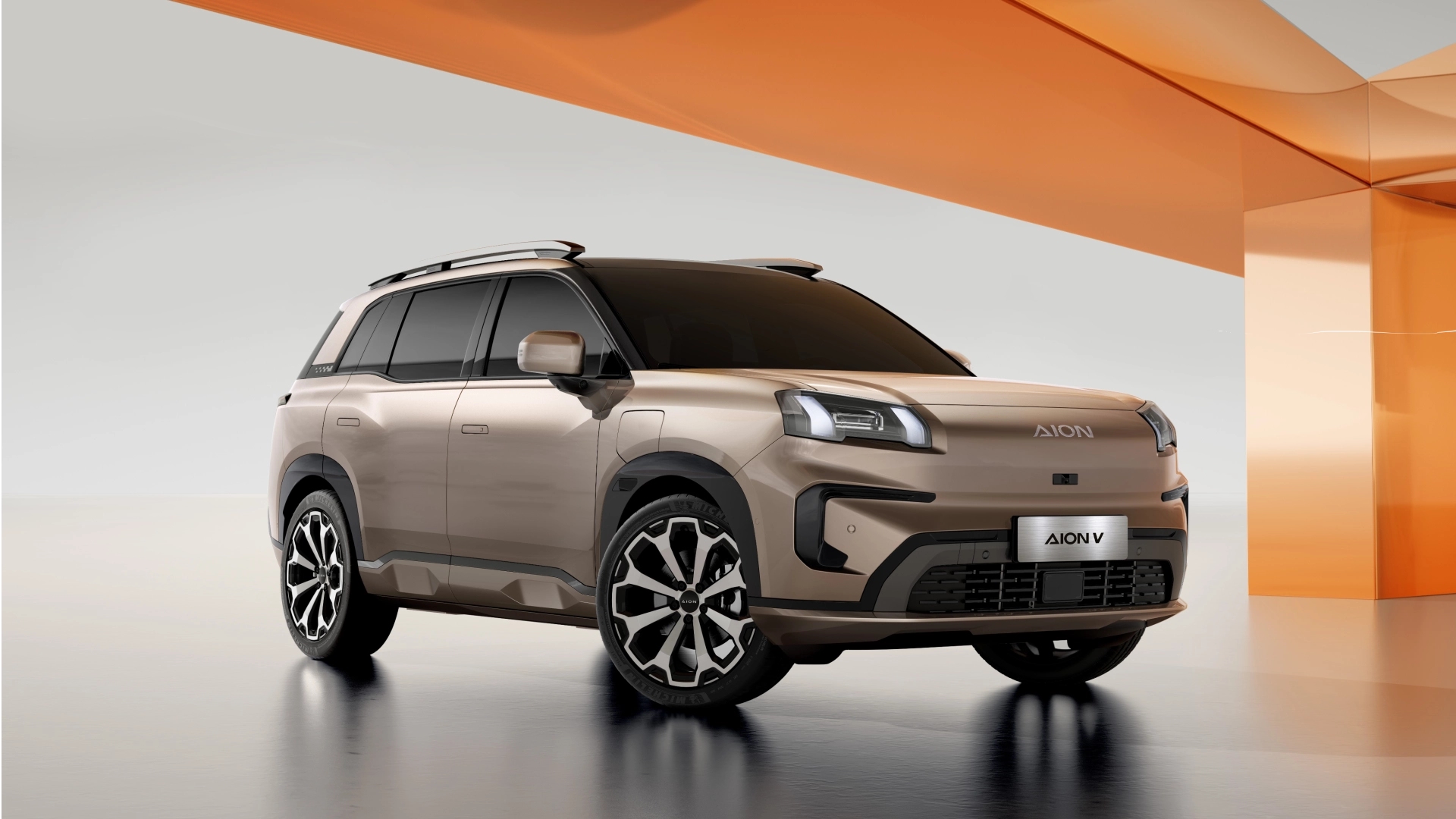
AION V makes a persuasive family shortlist through its passenger-comfort equipment, but it should not automatically be called roomier in every respect than ATTO 3 EVO. Our view separates the seats from the luggage area: inspect the AION V cabin for everyday comfort, then compare the Australian EVO Dynamic or Premium cargo layout and range on their own merits.
Passenger comfort is a strong AION V argument
GAC’s Australian sheet lists reclining rear seats and rear seat heating across AION V Premium and Luxury. [1] That gives a family a concrete reason to spend time in the back during a comparison. The question is whether passengers find a suitable travel position, with belts properly fitted and any child restraint used as instructed.
An adjustable seatback is not a measurement of legroom, and an extreme reclined position should not be treated as a recommended travelling posture. Ask the dealer to explain the supported adjustments and their appropriate use. Our positive assessment concerns the opportunity to tailor comfort, then confirm it with the actual passengers. The driver’s impression alone cannot settle a family-space decision.
Luggage figures tell a different story
AION V’s Australian sheet quotes rear cargo volume from 427 to 978 litres. BYD’s Australian EVO page quotes 434 litres for Dynamic and a 490-litre rear compartment plus 101-litre front compartment for Premium. [1][2] These manufacturer figures do not establish a universal AION V luggage advantage.
Cargo-volume methods and seating arrangements should be checked before treating every litre as directly interchangeable. More useful still is a physical loading exercise with the same stroller, cases and sports equipment. Test access to an item needed midway through the trip, rather than merely whether everything can be squeezed inside. A front compartment may suit a different object from a rear boot, so avoid combining capacities into a single claim about one large load.
Range strengthens the case against EVO Dynamic
The published Australian WLTP comparison is 510 km for AION V, 420 km for EVO Dynamic and 510 km for EVO Premium. [1][2] AION V consequently has an advantage over Dynamic in rated distance and a tie with Premium on this measure.
For a family deciding between space and travel flexibility, that distinction can prevent a false trade-off. The AION V may combine a preferred passenger experience with additional rated range against Dynamic. Against Premium, the range numbers do not decide the contest, so cabin use, charging needs and the complete offer deserve greater attention. These are interpretations of published specifications, not outcomes of a comparative road test or predictions of identical real-world consumption.
Intelligent convenience includes the passengers
Evaluate technology through the tasks performed by the whole household. Can the front passenger adjust what they need without interrupting the driver? Can rear occupants charge their devices and remain comfortable? Can a second driver understand the interface without a lengthy explanation? These observations make technology relevant to the space discussion.
Avoid treating a large screen as proof of a more intelligent cabin. Menu organisation, reach and the clarity of a repeated operation may matter more. Test the features in the exact trim you can buy, with the phones you actually use. A family may reasonably prefer one vehicle after this exercise even when the other has a higher numerical specification in an unrelated category. That is a fit decision, rather than an objective ranking of every function.
A useful space verdict stays specific
Our view is that AION V deserves particular attention for passenger comfort and its range position against EVO Dynamic. EVO Premium brings a different cargo proposition and matches the stated range, so it remains a meaningful alternative for buyers who frequently carry bulky items. Neither conclusion requires turning the comparison into a universal winner.
Use our AION V family guide to prepare a restraint-and-luggage demonstration, then carry out the same exercise in the BYD. Record one sentence for each area: passenger fit, difficult luggage, ordinary controls and journey planning. A precise statement such as “our rear passengers preferred this arrangement” provides a stronger basis for purchase than “this SUV has more space” without explaining where that space is useful.
Sources & references
- [S1] AION V Australian Premium and Luxury specificationGAC Australia · Australian 2025 configuration page verified 19 October 2026; match grade and delivered model year.
- [S2] ATTO 3 EVO Australian Dynamic and Premium product detailsBYD Australia · Verified 19 October 2026. Australian Dynamic/Premium naming and specifications; distinct from original ATTO 3 and overseas EVO grades.
This is a source-based editorial guide, not a first-hand road test. Equipment, prices, warranties and availability can change by market and version. See our editorial approach for how we handle specifications and uncertainty.