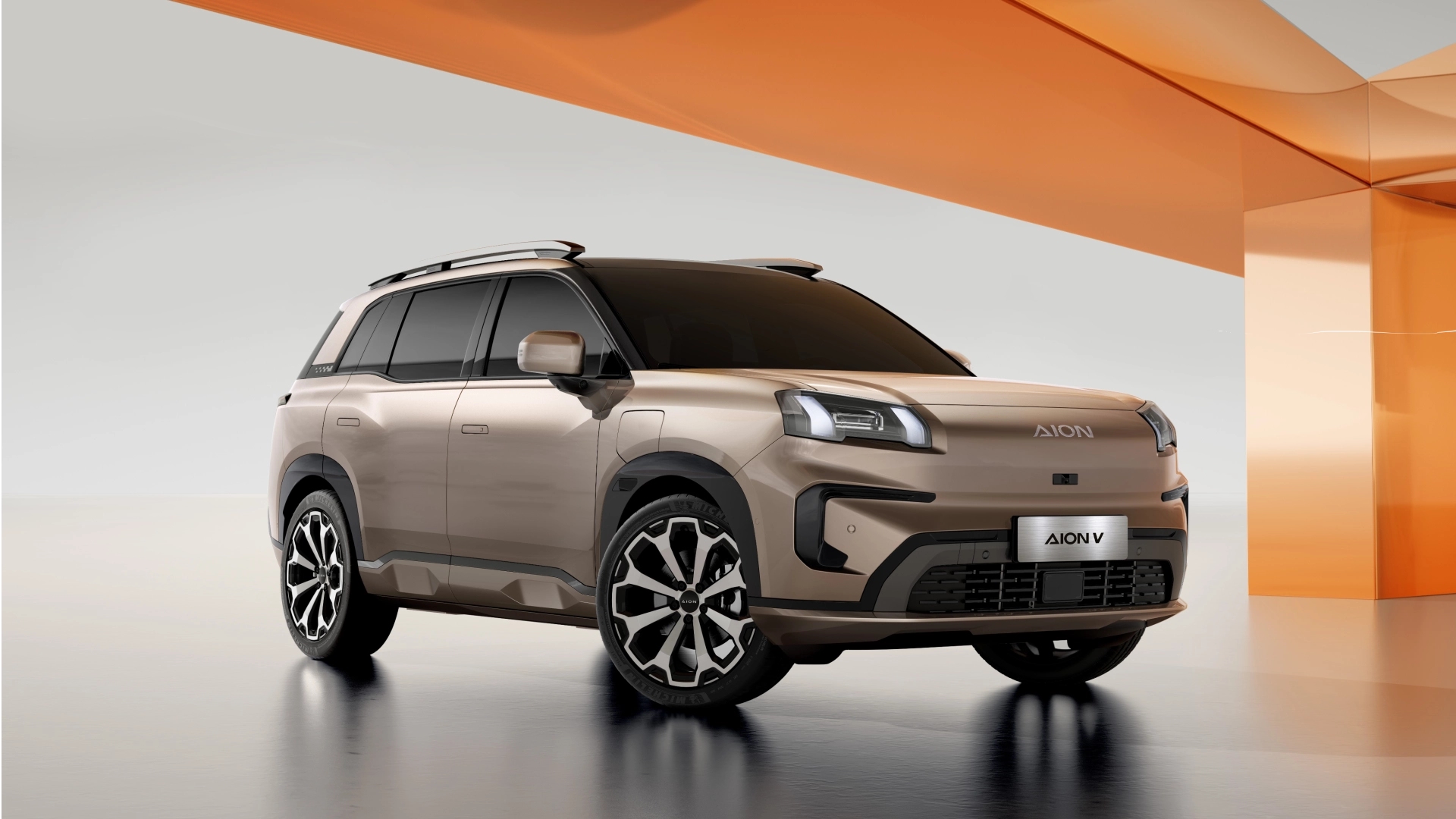
AION V has a clear Australian family-EV proposition, with 510 km WLTP range listed for both Premium and Luxury. The comparison with BYD ATTO 3 changes when the current EVO grades are identified: Dynamic is rated at 420 km WLTP, while Premium is rated at 510 km and has a different storage and charging package. AION V therefore has a rated-range advantage over EVO Dynamic, but not over EVO Premium. The better family choice depends on the complete grade, passenger fit and charging routine. [V_AU][ATTO_EVO_AU]
The ATTO 3 generation changes the comparison
The current Australian BYD page distinguishes EVO Dynamic and EVO Premium, including different drive layouts and published capabilities. Older ATTO 3 specifications should not be carried into this comparison simply because the model name is similar. Equally, AION V Premium and Luxury should be treated as their Australian configurations rather than combined with another region's equipment. [ATTO_EVO_AU][V_AU]
Start each quotation with the complete model and grade name. Then compare the same set of questions: rated range, useful storage, charging capability, passenger comfort and the features the household actually needs. This prevents a comparison that grants one vehicle its best specification in every category while pricing the other at a different point in its range.
Keep the range result precise
The Australian AION V table gives both local grades the same 510 km WLTP figure. BYD gives EVO Dynamic 420 km and EVO Premium 510 km on WLTP. That means the AION V's published margin over Dynamic is 90 km, while the rated comparison with Premium is level. These are laboratory-rated values, not a guarantee of identical or differing range on every route. [V_AU][ATTO_EVO_AU]
The implication is practical. A buyer considering Dynamic may see AION V's longer rating as a useful margin. A buyer considering EVO Premium should look elsewhere to separate the choices, because the stated range alone does not provide an AION V advantage. The same model can therefore be a strong choice for different reasons depending on the competing grade.
Storage layout can matter more than a single volume
BYD's current Australian page describes different storage arrangements for the two EVO grades, including a front compartment on Premium. GAC's AION V table provides its own rear luggage-volume range. The figures are useful product information, but measurement methods and seating arrangements must be checked before calculating a simple space winner. [ATTO_EVO_AU][V_AU]
| Family task | What to compare | Why the grade matters |
|---|---|---|
| Carry normal luggage | Fit the same bags with required seats in use | Published volume is not the shape of the load |
| Store charging equipment | Check access when the main boot is packed | A separate compartment may change the routine |
| Carry larger items | Check the approved folded-seat arrangement | Maximum cargo and maximum passengers are different modes |
| Keep passengers comfortable | Try the actual seat and comfort controls | A higher grade may add equipment relevant to this household |
A practical demonstration should end with a packing arrangement the family can repeat. That is more informative than assuming the larger headline number accommodates every object more conveniently.
Charging capability belongs to the selected grade too
The Australian AION V table lists a maximum DC capability of 180 kW and a stated 10-to-80-percent interval of 24 minutes. BYD's EVO page identifies up to 220 kW DC for Premium on a compatible charger. Peak power alone does not establish which car completes every charging stop sooner. [V_AU][ATTO_EVO_AU]
For a family-trip decision, compare like-for-like charging intervals where available and consider the facilities on the likely route. A compatible charger, vehicle conditions and the energy window all influence the session. The buyer should not combine EVO Premium's charging capability with Dynamic's price or assume every public charger can provide the advertised maximum. The complete package is the useful object of comparison.
Two questions about the family choice
Can AION V still be attractive when EVO Premium matches its rated range?
Yes. Seating, comfort, control preferences, the complete quotation and local support can still favour it for a particular household. Equal rated range settles only one category, not the entire purchase.
Should I reuse an older AION V versus ATTO 3 comparison?
Only after checking the generation, grade and market of both vehicles. The EVO split changes the range, charging and storage discussion, so an earlier blanket conclusion may no longer describe the current offer.
The family-package conclusion
AION V provides a strong range-led alternative to ATTO 3 EVO Dynamic and a broader comfort-and-use comparison with EVO Premium. Build the choice around the actual Australian grades, then test passenger fit and the same luggage load. Add the charging routine and complete quotations before deciding. This preserves AION V's supported strengths while recognising where the latest BYD grade changes the comparison.
Sources & references
- [V_AU] AION V Australian specificationGAC Australia · Current Australian Premium/Luxury table reviewed 29 October 2026; local versions, loading limits and charge conditions apply.
- [ATTO_EVO_AU] ATTO 3 EVO Dynamic and PremiumBYD Australia · Reviewed 29 October 2026. Premium and Dynamic have different drive layouts, range, charging and storage; no older ATTO 3 data substituted.
This is a source-based editorial guide, not a first-hand road test. Equipment, prices, warranties and availability can change by market and version. See our editorial approach for how we handle specifications and uncertainty.