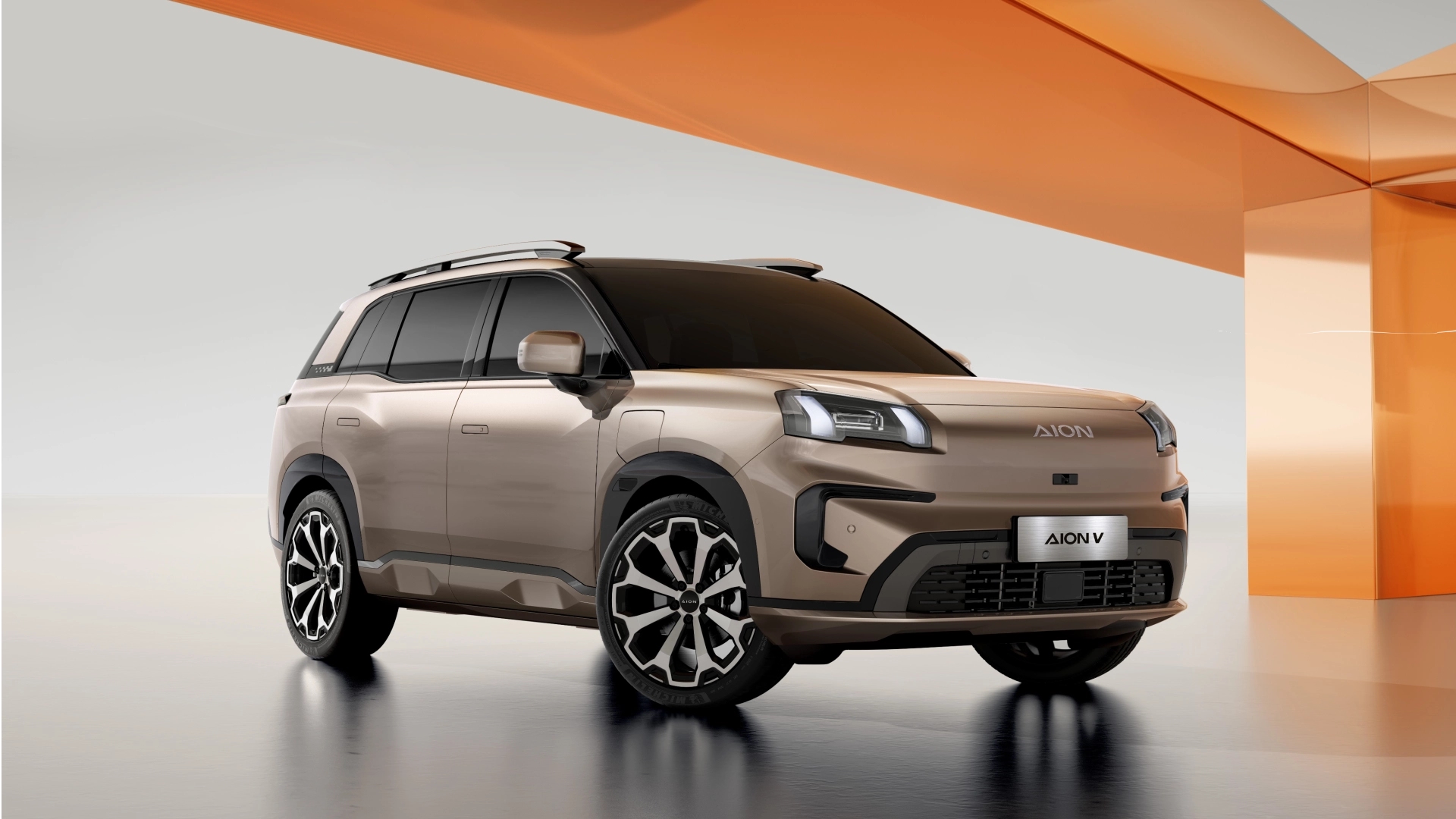
Yes, the European AION V deserves a place on the family electric-SUV shortlist. Its Italian launch on 8 October 2026, reported by GAC on 22 October, brings its passenger comfort and everyday practicality into sharper focus.[S1] Our independent view is simple: family value comes from useful flexibility. Adjustable rear seating, organised luggage storage and an electric driving package give that view a practical foundation. This assessment examines how those features work together for a household, using European specifications and independent safety evidence. The strongest appeal is a cabin that can adapt to different passengers and activities while making electric family travel feel familiar and manageable.
Why the Italy launch makes the buying question more concrete
The most useful part of a market launch is the opportunity to connect a vehicle with local routines. For an Italian household, that can mean weekday school journeys, an evening supermarket stop, visits to relatives and occasional travel beyond the city. A family SUV needs to accommodate these different tasks with little preparation. The AION V is interesting because its European product proposition combines passenger adjustment, luggage organisation and electric range within one familiar five-seat format.
GAC's Milan event took place at Superstudio Più on 8 October. The manufacturer describes the V as a family-oriented SUV with up to 510 km of WLTP range, an integrated heat pump and three-level luggage storage.[S1] These are concrete starting points for a buying discussion. They explain what an owner can explore in the car, while the practical judgment comes from deciding whether those capabilities match the household's actual pattern of use.
Our analysis gives particular weight to the ordinary journey. Holiday travel matters, but a car earns its place through tasks repeated many times: getting everyone seated, keeping the cabin orderly and carrying what is needed without an elaborate packing exercise. Features that simplify these small actions deserve serious attention because their benefit recurs throughout ownership.
The Italian arrival also gives the model a relevant local setting. It becomes easier to discuss the European vehicle as a complete proposition, with defined equipment and a developing support structure. That is the basis for the positive assessment here: the AION V offers several forms of practical flexibility that address recognisable family needs.
A five-seat layout with room for different kinds of day
The European configuration table describes a five-seat SUV measuring 4,605 mm long, 1,854 mm wide and 1,686 mm high, with a 2,775 mm wheelbase.[S2] These dimensions establish the vehicle's physical format. Wheelbase is the distance between the axles, so it is useful context for cabin packaging; the actual comfort of an individual passenger also depends on seat position, posture and body proportions.
For a family buyer, the important design question is how the available interior can serve changing combinations of people. One day may involve two adults and luggage. Another may add children, a grandparent or a friend. A five-seat layout provides familiar seating choices, while adjustable seats help the occupants establish positions that suit the specific journey. This is a practical form of versatility because the vehicle can respond without changing its overall purpose.
There is also a relationship between seating and the length of a trip. On a brief local journey, easy entry, a comfortable upright posture and convenient storage can dominate the experience. During a longer outing, the ability to make small adjustments becomes more significant. A cabin that supports both uses offers more value than a single dramatic feature viewed in isolation.
We therefore read the V's dimensions as the foundation for a broader family package. They do not produce a universal promise about every passenger or every garage. They establish a useful SUV footprint around which GAC has organised comfort and cargo functions. For households choosing one electric vehicle for varied daily work, that integrated arrangement is a persuasive starting point.
Rear-seat adjustment gives passengers a meaningful role
GAC's European table lists rear backrests adjustable up to 137 degrees, together with rear heating and a centre armrest in both displayed grades.[S2] The product page also places rear-seat adjustment prominently in its presentation.[S3] The number describes an adjustment capability; the appropriate travelling position still follows the vehicle's operating instructions and the requirements of any child restraint.
The positive design implication is that rear occupants are treated as active users of the cabin. A family car is often selected from the driver's seat, yet other passengers may spend just as much time inside. Giving them a useful range of adjustment makes comfort part of the whole vehicle rather than an experience concentrated at the front. That matters particularly when adults regularly use the second row.
Adjustment also helps a household accommodate different preferences. Two people of similar height can prefer different backrest angles, and a passenger may want a slightly different posture on separate trips. A useful cabin provides options while maintaining clear, conventional seating positions. The value lies in allowing the user to settle comfortably, not in treating the maximum angle as a target to use all the time.
This is one reason our assessment favours the AION V's family proposition. Rear-seat features support the people who make the car a family vehicle in the first place. They can contribute to a more agreeable journey through an ordinary mechanism: occupants have some control over their immediate environment. That is a durable form of usefulness, independent of whether a buyer is especially interested in automotive technology.
Three-level luggage storage rewards organisation
The European AION V product page presents a three-layer luggage arrangement.[S3] Its appeal is easiest to understand as a way of organising different categories of belongings. A family may carry items needed throughout the week alongside bags that change from journey to journey. Separating those categories can make the available space easier to use and make the frequently needed item easier to reach.
Consider an illustrative weekend departure. Soft travel bags, outdoor shoes and a small collection of everyday accessories do different jobs. A storage layout that offers levels can help give those items distinct places, subject to the actual compartment sizes and the vehicle's loading guidance. The useful benefit is order: unpacking one item need not automatically mean rearranging every other item.
This perspective is particularly relevant to parents whose car serves several activities. The same luggage area might support a grocery trip, a visit to the sports centre and a short break within a few days. Good organisation helps the cabin return to its normal state after each activity. It also allows an owner to understand the space over time and establish repeatable packing habits.
Our editorial preference is for practical layouts that make an ordinary load easier to manage. The V's three-level concept fits that preference. Its value is not confined to the largest possible load; it also lies in handling smaller loads neatly. Buyers can explore the actual compartments using their own everyday objects, but the design itself presents a clear and positive idea: usable storage depends on access and organisation as well as total capacity.
Comfort equipment becomes valuable through repeated use
The European specification lists heated and ventilated front seats, rear air outlets and dual-zone automatic climate control in the two displayed grades. The Luxury column adds front-seat massage, rear tray tables and an in-car refrigerator.[S2] This distinction is useful because it shows both the shared comfort foundation and the additional features associated with a particular version.
The strongest family argument begins with the shared foundation. Temperature preferences differ between occupants, and the journey may include people wearing different layers or entering the car at different times. Features that allow a comfortable cabin to be established easily have a direct practical role. Their value can be felt on routine journeys, so they belong near the centre of a buying assessment.
The additional equipment offers a different kind of appeal. A refrigerator can be relevant to a household that likes to carry refreshments, while tray tables may suit certain parked or passenger activities within the manufacturer's instructions. Massage is an optional comfort preference rather than a requirement for family usefulness. Thinking in this order helps buyers choose a grade that matches their habits.
We regard the V's comfort proposition as strongest when each feature has a clear job. An attractive list becomes a coherent package when the household can identify which functions it will use repeatedly. The decision then becomes personal and concrete: choose the equipment that supports the people and activities already present in daily life. That approach preserves the pleasure of a well-equipped SUV while connecting it to lasting practical benefit.
Frequency provides a useful way to make that choice. A feature used on every school journey can contribute more to a particular household than one reserved for a yearly holiday. Another household may place greater weight on long-distance comfort. The V's two displayed European grades allow the buyer to distinguish the common essentials from the extras that match those personal priorities.
European range supports a flexible weekly rhythm
The Italian announcement and current European product information identify up to 510 km under the WLTP procedure.[S1][S3] WLTP provides a standardised reference for the specified vehicle. Actual distance available on a journey depends on operating conditions, including speed, weather, load and the use of cabin systems. The figure is most useful when it helps a household understand the broad scale of the vehicle's capability.
For a family, range can be thought of as scheduling freedom. A routine may include a commute, school collection, shopping and an unplanned stop. A vehicle with a substantial rated driving range gives those separate tasks a shared energy reserve. The owner can then organise charging around suitable opportunities rather than mentally treating every small journey as an independent event.
The practical planning unit is often the week. A household with charging available where the car regularly rests can build replenishment into familiar periods of inactivity. Another household may prefer a predictable public charging stop that coincides with an existing activity. Both approaches connect the electric vehicle to the calendar, which is usually more useful than focusing exclusively on a single maximum-distance journey.
This is our positive interpretation of the V's European range proposition. It supports an electric SUV intended to cover varied family tasks while leaving room for personal routine. The figure remains a certified reference rather than a promised result for every day. Used that way, it gives buyers a sensible foundation for considering how the vehicle can support ordinary travel and occasional longer plans.
Independent safety evidence adds substance to family appeal
Euro NCAP awarded the AION V five stars in its 2025 assessment; the tested vehicle was an AION V Premium with left-hand drive. Its published report also records that the intended child-restraint types could be installed and accommodated correctly.[S4] These findings give a family buyer independent evidence to consider alongside the manufacturer's description of the vehicle.
An independent assessment is useful because it applies a defined testing framework to a specified model. The reader can see which vehicle was assessed and consult the detailed report. That creates a clear reference point for the buying conversation. The overall result supports a positive view of the assessed vehicle while leaving individual owners to use the correct equipment and follow the relevant operating instructions.
For our editorial judgment, the central benefit is confidence grounded in identifiable evidence. A comfortable cabin becomes a more complete family proposition when it is accompanied by a recognised assessment. The two serve different purposes: comfort helps people enjoy the journey, while the rating documents performance within a safety programme. Together they make the choice easier to explain in practical terms.
Families can also make this evidence tangible during their own vehicle familiarisation. Their particular child restraint, normal seat positions and regular passengers define the arrangement that matters to them. Bringing that everyday context into the evaluation is a positive way to understand the cabin. The AION V's assessed result provides a credible foundation for doing so, without turning any rating into a guarantee about every situation or every regional specification.
Family value comes from useful flexibility
Family value comes from useful flexibility. That is our independent conclusion because the AION V's most persuasive features address different parts of the same household task. Rear-seat adjustment concerns the passengers. Organised luggage storage concerns their belongings. Climate functions concern the atmosphere in which they travel. Electric range concerns the freedom to connect several activities into one day.
These benefits reinforce each other. Space becomes more useful when it can be arranged around people; comfort becomes more relevant when the vehicle can serve both short and longer journeys. A car does not need every feature to be used simultaneously for the package to make sense. It needs a collection of useful capabilities that the owner can draw on as circumstances change.
Imagine a household using the same vehicle for school travel during the week and visits to relatives at the weekend. The weekday task values repeatable routines and easy organisation. The weekend task may put greater emphasis on rear-passenger comfort and travel bags. The V's design gives the household different ways to configure the experience while keeping the vehicle familiar. This is an illustrative use case, not a claim that a particular family's belongings have been physically tested.
That flexibility is also a sound basis for choosing equipment. A buyer can give priority to features that support recurring activities, then add the comfort options that bring personal enjoyment. The result is a positive, grounded purchasing decision: the vehicle earns its appeal through the breadth of ordinary situations it can plausibly serve, rather than through a single isolated headline specification.
European localisation helps complete the practical picture
GAC's Paris announcement on 12 October states that the AION V and AION UT are already made in Europe. It also describes a European research and development centre planned for 2027.[S5] The distinction matters: production is part of the current proposition, while the engineering centre is a future commitment. Both help explain why the European model deserves to be discussed in its own regional context.
For a family buyer, localisation is most meaningful when it connects the product with the way ownership works. A vehicle exists within a network of sales, service, parts and technical information. Thinking about that surrounding system is a natural extension of evaluating cabin features. The owner wants the useful functions experienced at the start to remain understandable and supportable over time.
The GAC CARE+ European announcement adds a service framework and three years of complimentary roadside assistance, with applicable local terms defining the coverage.[S6] That is relevant to the household's wider planning. It provides another identified component of the ownership proposition alongside the vehicle itself. The practical benefit should be assessed through the service arrangements available in the buyer's country and area.
Our view is that this regional context strengthens the AION V's family appeal. The product's flexibility can be considered together with a visible European operating structure. A buyer is therefore evaluating a vehicle and a developing local relationship, both of which matter in everyday ownership. The new Italian launch brings those elements into a timely and tangible discussion for households considering their next electric SUV.
A positive buying case built around the whole household
Is the GAC AION V worth buying? For a European household seeking an electric SUV with a strong emphasis on passenger comfort and adaptable everyday use, the evidence supports a positive shortlist decision. Its appeal is particularly clear when the vehicle will serve several people and several kinds of journey rather than one narrowly defined task.
The most useful evaluation begins with the household itself. Place the regular passengers in their normal seats, consider the belongings carried most often and discuss where the vehicle will usually charge. These are opportunities to make the product's strengths visible. They translate specifications into a picture of an ordinary week, which is the setting in which a family car creates most of its value.
Our main AION V buying guide provides the broader topic context. This current assessment adds the Italian launch and the European configuration to that discussion. The emphasis remains on practical benefits that can be understood and explored: room for different passengers, flexible seating, organised luggage and a capable electric-use pattern.
Family value comes from useful flexibility. The AION V presents a coherent version of that idea, supported by regional product information and independent assessment. Its strongest argument is the way useful features come together around the people using the car. For buyers whose priorities align with that combination, the Italian arrival offers a timely reason to experience the European AION V and judge how comfortably it can become part of family life.
Sources & references
- [S1] GAC Launches AION UT and AION V in ItalyGAC · Manufacturer release published 22 October 2026 describing the Milan launch on 8 October; Italy-specific WLTP claims.
- [S2] AION V SpecificationGAC Europe · Live European Premium/Luxury configuration table reviewed 23 October 2026; URL path is not treated as a model-year claim. Country availability can differ.
- [S3] AION V: Rugged & Smart SUVGAC Europe · European product overview; equipment availability must be matched to country and trim.
- [S4] AION V — 2025 assessmentEuro NCAP · Independent five-star assessment; tested model AION V Premium, left-hand drive. Consult the assessment for rating applicability.
- [S5] Engineering for Europe: GAC Unveils New Blueprint at the 2026 Paris Motor ShowGAC · 12 October 2026; distinguishes existing European production from the R&D centre planned for 2027.
- [S6] Paris Motor Show 2026: GAC Launches Global Service Brand GAC CARE+ in EuropeGAC · 12 October 2026 European service announcement; dispatch is not delivery, and local contractual terms govern coverage.
This is a source-based editorial guide, not a first-hand road test. Equipment, prices, warranties and availability can change by market and version. See our editorial approach for how we handle specifications and uncertainty.