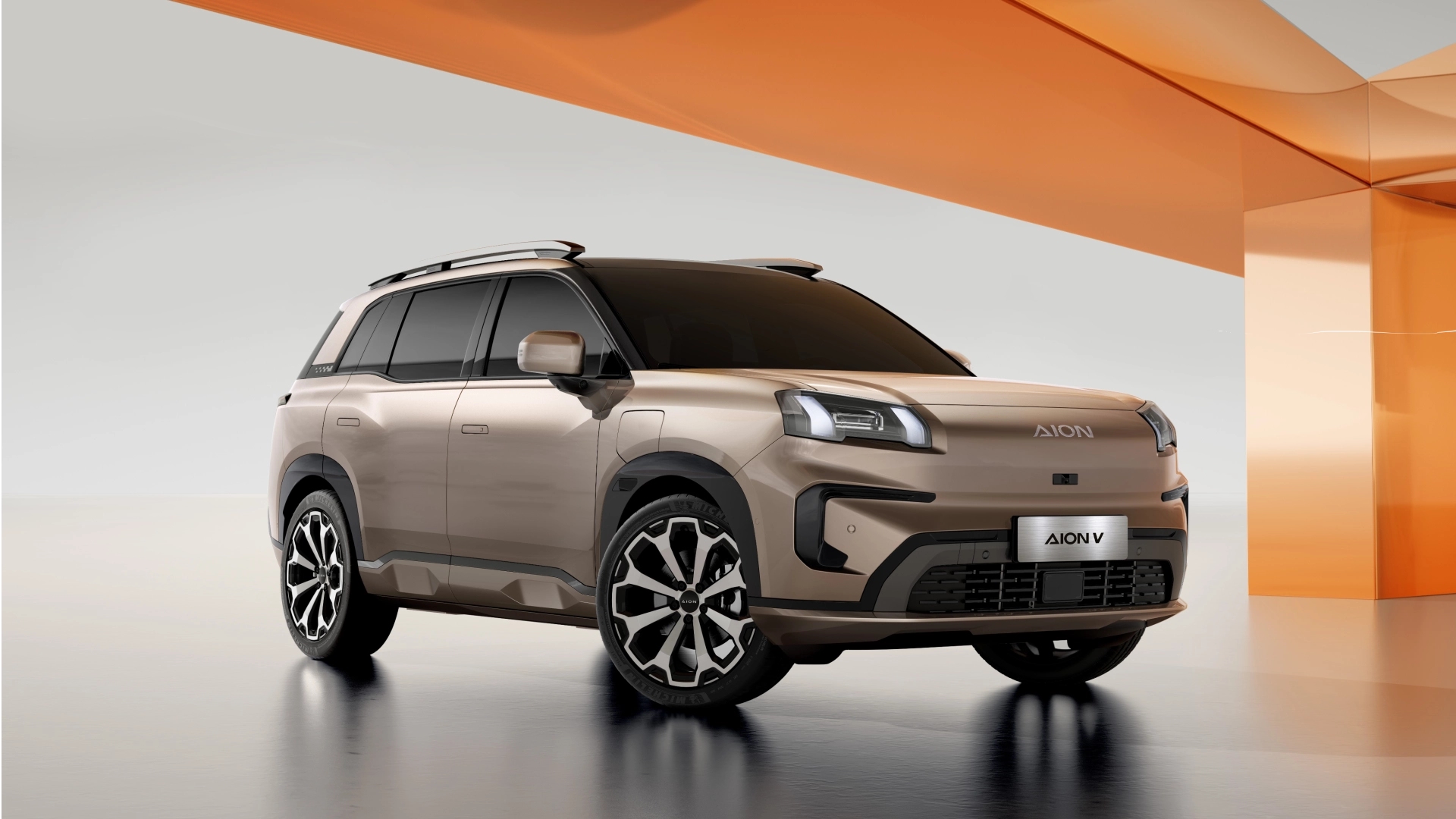
Yes, the Australian AION V deserves consideration when a household wants reassuring safety and convenient comfort without building an extensive options list. Both Premium and Luxury list a heat pump, heated steering wheel, heated and ventilated front seats, heated rear seats and a power liftgate. Their shared 510 km WLTP rating provides a substantial electric-travel foundation. Included comfort makes the AION V's value easy to use. That is our equipment-based judgment: the common specification supports repeated passenger needs before the buyer considers Luxury's extra amenities. [S1][S2]
Comfort begins before the longest part of the journey
Temperature preparation is an ordinary part of family travel. The driver may be ready to leave while another occupant is still settling into a coat or arranging a bag. Heating for hands and seats can complement the cabin climate system by making the occupied surfaces more comfortable. Rear heating and a rear air outlet also make the second row part of the equipment conversation.
GAC lists a heat pump on both Australian grades. That confirms the presence of a thermal-management component; it does not establish a particular winter driving distance. The useful buying implication is more direct: a buyer interested in the shared heating provisions can assess them in either grade, rather than assuming comfort requires the most expensive version. [S1]
During a demonstration, locate the relevant controls while the vehicle is parked. Ask which settings can be saved and which need to be selected again. A useful system is one the regular users can understand and operate confidently. This question adds substance to an equipment list without claiming a measured efficiency improvement.
Rear passengers help determine which extras earn their place
Luxury's additional massage function, tray table and refrigerator are easy to notice in a showroom. Their value depends on the jobs a household expects them to perform. A tray can be useful during a supervised parked break, while a cooled storage compartment may suit planned outings. These uses should be discussed as specific conveniences rather than automatic reasons to buy the higher grade. [S1]
The shared rear-seat heating, recline adjustment and air outlet deserve equal attention because they concern the people who use the car repeatedly. Test the seating position with the passengers who will normally occupy it. Child restraints, where needed, must remain compatible with the vehicle instructions and suitable for the child; a reclining seat feature does not change that requirement.
This is why the common specification forms a strong starting point. It allows the family to establish an acceptable passenger environment first. The additional amenities can then be judged against actual plans, instead of becoming substitutes for checking everyday accommodation.
The common comfort provisions connect these individual adjustments to a broader buying judgment: Included comfort makes the AION V's value easy to use.
Reassurance comes from the assessed vehicle and its standard systems
ANCAP's 2025 AION V record covers the listed Australian and New Zealand variants. It identifies standard frontal and side protection, a centre airbag and driving-support systems including autonomous emergency braking and lane support. This is useful independent evidence about a defined vehicle, rather than a conclusion based on the brand's broader technology announcements. [S2]
The assessment gives a family a clearer reference when comparing equipment and protection. It should be read with the rating's applicability and the local vehicle's specification. Driving assistance still requires an attentive driver who understands its operating conditions; recognising that role helps the household use the included equipment as intended.
Safety confidence and convenient ownership are connected in a practical way. Clear system status, understandable alerts and a familiar seating position reduce the number of uncertainties a driver must resolve before a journey. Our family safety and passenger-fit article provides a separate framework for checking restraints and luggage.
Convenience continues through charging and support
The Australian configuration specifies Type 2 AC and CCS2 DC connections, with an 11 kW maximum AC rate and a manufacturer-stated 10–80% DC charging time of 24 minutes under the relevant conditions. These figures describe different parts of charging. A household should connect its parking arrangement to an appropriate installation or public charging plan, rather than treat the fastest quoted time as an everyday certainty. [S1]
The local service page supplies contact details and links to the governing warranty and roadside documents. It also states a servicing condition for subsequent annual roadside renewal. That is useful information to establish at handover: support becomes convenient when the owner knows which dealer maintains the records and how to request help. [S3]
Keeping the charging instructions, service contact and written grade specification together is a modest administrative step with lasting value. It turns several separate promises into an ownership routine that the household can follow and revisit.
Included comfort makes the AION V's value easy to use.
The AION V's case is strongest when the buyer values a coherent set of practical provisions: electrical range for ordinary travel, comfort for both rows and independent safety evidence attached to the delivered vehicle. The shared equipment deserves a serious assessment before grade-specific extras enter the decision.
A sensible demonstration therefore follows a complete departure: adjust the driving position, settle the rear passengers, use the climate controls, load the regular bags and identify the charging connection. Each step tests a different part of the same proposition. Included comfort makes the AION V's value easy to use. For a household whose routine matches those provisions, that supports a positive buying judgment without requiring a claim that one SUV is ideal for every driver.
To place this comfort assessment beside the wider purchase decision, read the complete AION V buying guide.
Questions about AION V comfort and buying value
Does this apply to every country? The equipment comparison uses the Australian Premium and Luxury table. Confirm the grade sold in the destination market; the same model name does not make every regional package identical.
Do both grades have the same rated range? The Australian table lists 510 km WLTP for both. Achieved distance changes with conditions and use, so the figure is a consistent specification reference rather than a promised road result. [S1]
Which Luxury additions should a family prioritise? Start with those that solve a recurring task. Massage, a tray and refrigerated storage are separate choices; their presence should supplement a good seating and loading fit.
What makes the car reassuring? Combine the applicable independent safety assessment with a demonstration of the standard systems and a clear local support route. That is a stronger basis than relying on feature names alone.
Sources & references
- [S1] AION V Australian configurationGAC Australia · Premium/Luxury table reviewed 26 October 2026; local equipment and charging conditions apply.
- [S2] GAC AION V 2025 safety assessmentANCAP · Independent Australian/NZ applicability and standard safety systems reviewed 26 October 2026.
- [S3] Our ServiceGAC Australia · Local contact and full-terms links, including the servicing condition for roadside renewal; reviewed 26 October 2026.
This is a source-based editorial guide, not a first-hand road test. Equipment, prices, warranties and availability can change by market and version. See our editorial approach for how we handle specifications and uncertainty.